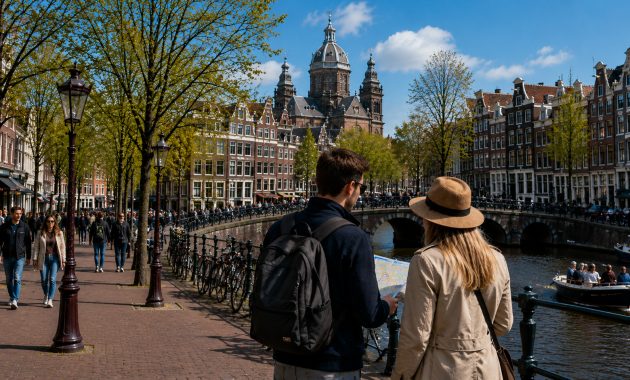
The Netherlands is one of Europe’s safest, cleanest, and most visitor-friendly destinations. Every year, millions of travelers explore its historic canals, charming villages, world-famous museums, tulip fields, windmills, and vibrant cities without encountering legal problems.
However, many tourists mistakenly assume that the Netherlands is a country with “no rules” because of its reputation for liberal policies on cannabis, bicycles, and personal freedoms. In reality, Dutch laws are comprehensive and are actively enforced. Visitors who unknowingly violate local regulations can receive fines, be removed from public places, or even face criminal penalties in more serious cases.
Fortunately, staying within the law is straightforward once you understand the basic rules. Knowing what is allowed—and what isn’t—will help you enjoy a smooth, respectful, and stress-free trip.
This comprehensive guide explains the most important Dutch Laws every tourist should know before visiting the Netherlands.
Why Understanding Dutch Laws Matters
The Dutch legal system emphasizes public safety, mutual respect, and shared responsibility.
Many rules are designed to:
- Keep cities clean and organized
- Protect cyclists and pedestrians
- Reduce public disturbances
- Promote road safety
- Preserve historic sites
- Ensure respectful behavior in public spaces
Most legal issues involving tourists result from misunderstandings rather than intentional misconduct.
1. Cannabis Is Tolerated – Not Fully Legal
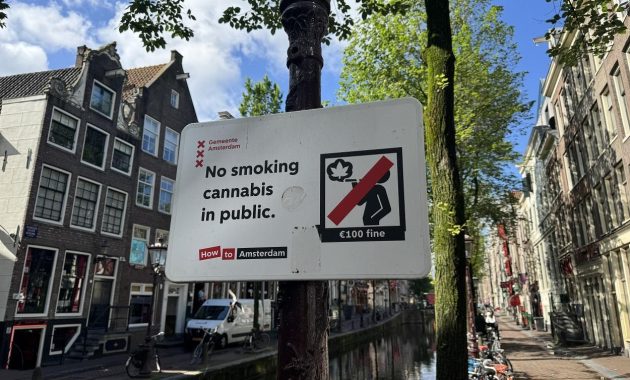
Perhaps the biggest misconception among visitors is that cannabis is completely legal.
In reality:
- Cannabis remains illegal under Dutch law.
- Licensed coffee shops may sell small amounts under a government tolerance policy.
- Purchases are generally limited to 5 grams per person per day.
- Buying from street dealers is illegal.
- Exporting cannabis outside the Netherlands is illegal.
Tourists should only purchase cannabis from licensed coffee shops and always respect local regulations.
2. Never Take Cannabis Across Borders
Even if cannabis was legally purchased in a licensed coffee shop, it is illegal to transport it across international borders.
This includes:
- Airports
- International trains
- Ferries
- Border crossings
Dispose of any remaining cannabis before leaving the Netherlands.
3. The Legal Drinking Age Is 18
Alcohol may generally only be purchased and consumed by individuals aged 18 and older.
You may be asked to present identification when buying:
- Beer
- Wine
- Spirits
- Alcoholic cocktails
Carrying valid photo identification is recommended.
4. Don’t Drink Excessively in Public
While enjoying a drink is common, public drunkenness that causes disturbances may result in police intervention or fines.
Some municipalities also restrict alcohol consumption in specific public areas, such as parks, squares, or busy streets.
Always check local signs.
5. Cycling Laws Are Taken Seriously
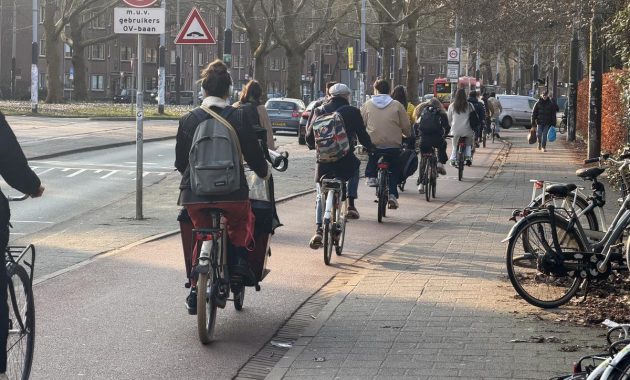
Cyclists have significant legal rights—and responsibilities.
Visitors should:
- Never walk in bicycle lanes.
- Obey bicycle traffic lights.
- Yield where required.
- Use lights when cycling at night.
- Ride predictably.
Accidents involving cyclists can result in liability and fines.
6. Do Not Walk in Bike Lanes
One of the most common tourist mistakes is standing in or walking along bicycle lanes.
Cyclists often travel quickly and expect pedestrians to stay clear.
Always:
- Check for bicycles before crossing.
- Follow pedestrian signals.
- Stay on sidewalks whenever possible.
7. Seat Belts Are Mandatory
Seat belts must be worn by drivers and passengers where provided.
This applies to:
- Rental cars
- Private vehicles
- Taxis equipped with seat belts
Failure to wear one may result in fines.
8. Using a Phone While Driving Is Illegal
Drivers are prohibited from using handheld mobile phones while operating a vehicle.
Hands-free systems are permitted where allowed by law.
Distracted driving carries significant penalties.
9. Driving Under the Influence
Driving after consuming excessive alcohol or drugs—including cannabis—is illegal.
Police may conduct roadside alcohol or drug testing.
Penalties may include:
- Heavy fines
- Driving bans
- Criminal prosecution
- Vehicle seizure in serious cases
10. Public Transport Rules
The Netherlands has an excellent public transportation network.
Passengers should:
- Purchase a valid ticket before traveling where required.
- Tap in and out when using contactless payment systems or transit cards, if applicable.
- Follow staff instructions.
- Avoid smoking or vaping on trains, buses, trams, and metro services.
Ticket inspections are common.
11. Smoking Restrictions
Smoking is prohibited in many indoor public places.
Examples include:
- Restaurants
- Public transport
- Government buildings
- Shopping malls
- Many hotels
Outdoor restrictions also exist in some busy public areas.
12. Respect Local Noise Regulations
Dutch cities value peaceful neighborhoods.
Avoid:
- Loud music late at night
- Shouting in residential areas
- Excessive noise outside bars
- Disturbing neighbors in hotels or holiday rentals
Police may respond to repeated noise complaints.
13. Littering Can Result in Fines
The Netherlands is known for its clean streets.
Dispose of:
- Cigarette butts
- Food packaging
- Bottles
- Chewing gum
- General waste
Use public bins provided throughout cities.
14. Graffiti and Vandalism Are Criminal Offenses
Damaging public property—including monuments, buildings, bridges, or transportation infrastructure—is a criminal offense.
Even minor vandalism may lead to prosecution.
15. Flying Drones Is Regulated
Drone use is permitted only under applicable aviation rules.
Restrictions often apply near:
- Airports
- Government buildings
- Crowded public areas
- Nature reserves
Always review current regulations before flying.
16. Photography Rules
Photography is generally allowed in public spaces.
However:
- Some museums prohibit flash photography.
- Certain exhibitions prohibit photography entirely.
- Respect signs indicating restricted areas.
- Avoid photographing people in sensitive situations without permission.
Always respect privacy.
17. Respect the Red Light District
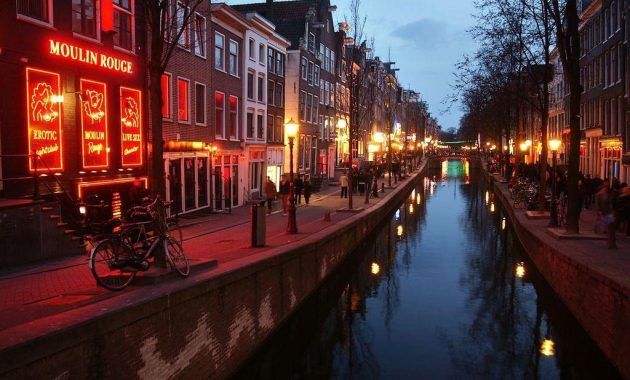
The Red Light District attracts many tourists.
Visitors should know:
- Photography of workers is prohibited and considered highly disrespectful.
- Harassment or disruptive behavior is unacceptable.
- Public intoxication may attract police attention.
Treat the area respectfully.
18. Identity Documents
Police may ask for identification in certain situations.
Carry:
- Passport
- National identity card (if applicable)
- Residence permit (for residents)
A secure digital copy is useful, but the original document may be required.
19. Respect Nature Reserves
The Netherlands protects many national parks and nature reserves.
Visitors should:
- Stay on marked trails.
- Avoid disturbing wildlife.
- Take rubbish with them.
- Observe local fire restrictions.
- Follow park regulations.
20. Shopping Laws
Prices displayed in stores generally include VAT.
Consumers are entitled to receive receipts upon request, and many retailers have clear return policies, though these vary by store.
Always keep receipts for expensive purchases.
21. Tax-Free Shopping for Non-EU Visitors
Non-EU visitors may qualify for VAT refunds on eligible purchases.
Requirements typically include:
- Meeting minimum spending thresholds.
- Requesting VAT refund paperwork at purchase.
- Presenting purchases and documentation before leaving the EU.
Ask participating retailers for details.
22. Emergency Numbers
Memorize the most important emergency contact.
| Service | Number |
|---|---|
| Police, Fire & Ambulance | 112 |
For non-emergency police matters, local contact methods are also available.
Fines Tourists Commonly Receive
Some of the most common reasons visitors are fined include:
- Walking in bicycle lanes and creating dangerous situations.
- Public drinking in restricted zones.
- Fare evasion on public transport.
- Littering.
- Smoking where prohibited.
- Driving while using a handheld phone.
- Public disturbances or excessive noise.
- Parking violations.
Most fines can be avoided by following local signs and respecting municipal rules.
Your Rights as a Tourist
While visiting the Netherlands, you also have important rights.
These include:
- Equal treatment under Dutch law.
- Access to emergency medical care.
- Assistance from your country’s embassy or consulate.
- The right to request a receipt for purchases.
- Consumer protection for many retail transactions.
Knowing your rights can help if you encounter unexpected situations.
Practical Legal Tips for Visitors
Before exploring the Netherlands:
- Carry valid identification.
- Follow bicycle and pedestrian signals.
- Respect smoke-free and alcohol-free zones.
- Buy tickets only from official providers.
- Use licensed taxis or trusted transportation services.
- Keep valuables secure in crowded areas.
- Follow local instructions at museums, attractions, and festivals.
- When in doubt, ask locals or tourism staff for guidance.
Common Mistakes Tourists Make
Avoid these frequent mistakes:
- Assuming cannabis is fully legal everywhere.
- Walking in designated bicycle lanes.
- Photographing workers in the Red Light District.
- Forgetting to validate public transport journeys where required.
- Taking cannabis across international borders.
- Ignoring local signs about alcohol, smoking, or restricted areas.
- Making excessive noise late at night in residential neighborhoods.
FAQs – Dutch Law
Is cannabis legal in the Netherlands?
Not fully. It remains illegal under Dutch law but is tolerated under strict conditions in licensed coffee shops.
Can tourists buy cannabis in the Netherlands?
In many municipalities, yes, provided they purchase from licensed coffee shops and comply with local rules.
Is the legal drinking age 18?
Yes. You must generally be at least 18 years old to buy or consume alcohol.
Can I drink alcohol anywhere in public?
Not always. Some municipalities prohibit alcohol consumption in designated public areas.
Are Dutch bicycle lanes legally protected?
Yes. Pedestrians should avoid walking or standing in bicycle lanes unless crossing.
Is Dutch public transport strictly enforced?
Yes. Ticket inspections are common, and traveling without a valid ticket can result in fines.
Can I smoke indoors in the Netherlands?
Smoking is prohibited in many indoor public places and may also be restricted outdoors in certain locations.
Is photography allowed in the Red Light District?
Taking photos of sex workers is prohibited and can lead to confrontation or enforcement action.
Should I always carry my passport in the Netherlands?
Carrying valid identification is recommended, as police may request it in certain situations.
Is littering illegal?
Yes. Littering can result in fines and contributes to keeping Dutch cities clean.
Can I fly a drone anywhere in the Netherlands?
No. Drone flights are restricted in many locations, particularly near airports, government buildings, and protected areas.
What is the most important Dutch law tourists should remember?
Respect local rules, especially regarding cycling, public behavior, cannabis, alcohol, and transportation. Following posted signs and using common sense will help ensure a smooth and enjoyable visit.
Final Verdict: Travel Responsibly and Respect Dutch Law
Understanding Dutch Laws before your trip is one of the easiest ways to avoid unnecessary fines, misunderstandings, or legal problems. Although the Netherlands has a reputation for openness and progressive policies, it also places a strong emphasis on public safety, personal responsibility, and mutual respect.
Whether you’re cycling through Amsterdam, visiting world-famous museums, enjoying local cafés, or exploring the country’s picturesque towns, following local laws and customs will help you experience the Netherlands with confidence. By respecting bicycle lanes, observing cannabis and alcohol regulations, carrying valid identification, and being considerate of local communities, you’ll be well prepared for a safe, enjoyable, and memorable Dutch adventure.