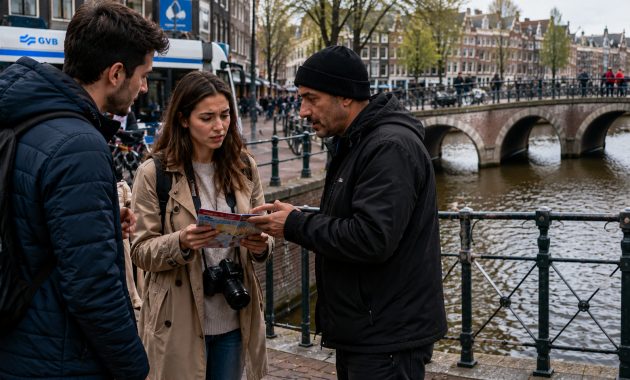
The Netherlands is consistently ranked among the safest countries in Europe, making it an excellent destination for first-time visitors, solo travelers, families, and digital nomads. Violent crime against tourists is relatively rare, public transportation is reliable, and Dutch cities are generally clean, well-organized, and welcoming.
However, like any popular tourist destination, the Netherlands is not completely free from scams and petty crime. Every year, millions of tourists visit Amsterdam, Rotterdam, Utrecht, The Hague, and other cities, creating opportunities for pickpockets, dishonest taxi drivers, ticket scammers, fake charity collectors, and other opportunistic criminals.
Fortunately, most scams in the Netherlands are easy to avoid if you know what to look for. By staying alert and following a few practical safety tips, you can enjoy your trip without unnecessary stress.
This complete Netherlands Travel Scams guide explains the most common scams targeting tourists, where they happen, how they work, warning signs, and practical advice to protect yourself throughout your journey.
Is the Netherlands Safe for Tourists?
Yes. The Netherlands is widely regarded as one of Europe’s safest travel destinations.
Most visitors experience no problems during their trip.
The most common issues involve:
- Pickpocketing
- Bicycle theft
- Tourist overcharging
- Fake ticket sales
- ATM fraud
- Online accommodation scams
- Distraction thefts
Violent crime involving tourists is uncommon.
Where Do Most Tourist Scams Occur?
Scammers typically target crowded areas where visitors may be distracted.
Common locations include:
- Amsterdam Central Station
- Dam Square
- Red Light District
- Museumplein
- Popular tram and metro stations
- Major train stations
- Busy shopping streets
- Outdoor markets
- Tourist attractions
- Festivals and large public events
The higher the concentration of tourists, the greater the chance of encountering opportunistic scammers.
1. Pickpocketing
Pickpocketing is by far the most common crime affecting tourists.
Professional thieves often work in teams.
They typically target:
- Phones
- Wallets
- Passports
- Cameras
- Designer handbags
Common Tactics
- Someone bumps into you.
- A group surrounds you.
- A distraction occurs while another person steals your belongings.
- Crowded public transport creates opportunities.
How to Avoid It
- Keep valuables in zippered pockets.
- Wear anti-theft bags across your body.
- Avoid carrying your wallet in your back pocket.
- Never leave bags unattended.
- Stay especially alert when boarding trains or trams.
2. Fake Train or Museum Tickets
Tourists are sometimes approached near major attractions by individuals claiming to sell discounted tickets.
These may include:
- Train tickets
- Museum entry
- Canal cruises
- Event passes
Many of these tickets are invalid, already used, or counterfeit.
Stay Safe
Only purchase tickets through:
- Official ticket offices
- Station machines
- Museum websites
- Authorized booking partners
If an offer seems unusually cheap, it’s probably not genuine.
3. Taxi Overcharging
While most Dutch taxi drivers are honest, some unlicensed operators target tourists.
Common problems include:
- Taking longer routes
- Refusing to use the meter
- Charging inflated fixed prices
- Claiming card machines are broken
Avoid Taxi Scams
- Use official taxi ranks.
- Confirm that the meter is running.
- Ask for an estimated fare before departure.
- Use reputable ride-hailing apps where available.
- Keep the receipt.
4. ATM & Card Skimming
Although rare, ATM fraud can occur in busy tourist areas.
Criminals may install devices designed to capture card information.
Warning Signs
- Loose card readers
- Unusual attachments
- Hidden cameras
- People standing unusually close
Stay Safe
- Use ATMs inside banks whenever possible.
- Cover the keypad while entering your PIN.
- Inspect the machine before inserting your card.
- Monitor your bank account regularly.
5. Fake Charity Collectors
In busy city centers, individuals may ask for donations while carrying clipboards or petitions.
Some claim to represent charities for:
- Children
- Disabled people
- Animal welfare
- Environmental causes
After obtaining your attention, they may pressure you into making a donation or attempt to distract you while an accomplice steals your belongings.
How to Respond
- Politely decline.
- Do not hand over your wallet.
- Donate directly through official charity websites if you wish to support a cause.
6. Distraction Scams
Distraction thefts rely on diverting your attention for just a few seconds.
Common examples include:
- Someone asking for directions while another person targets your bag.
- A person spilling food or a drink on your clothing and offering to help clean it.
- Someone dropping coins or papers near you.
Prevention
Keep your belongings close, especially during unexpected interactions with strangers.
7. Bicycle Rental Scams
Cycling is one of the best ways to explore the Netherlands, but tourists should choose rental companies carefully.
Potential issues include:
- Hidden insurance fees
- Damage charges for pre-existing scratches
- Poor-quality bicycles
- Large security deposits without clear terms
Before Renting
- Photograph the bicycle from every angle.
- Check brakes and lights.
- Read the rental agreement carefully.
- Ask about insurance and theft policies.
Choose reputable rental shops with clear pricing and good reviews.
8. Fake Accommodation Listings
This scam usually affects travelers booking through unofficial websites or social media.
Warning signs include:
- Prices far below market value.
- Requests for direct bank transfers.
- Poor communication.
- Refusal to use secure booking platforms.
Stay Safe
Book accommodation through reputable travel websites or directly with the hotel.
Never transfer money outside an official booking system unless you fully trust the provider.
9. Restaurant Tourist Traps
Restaurants in heavily visited tourist areas sometimes charge significantly higher prices than similar establishments elsewhere.
Potential issues include:
- Overpriced drinks
- Hidden service charges
- Expensive “daily specials” without listed prices
Avoid Overpaying
- Check menus before sitting down.
- Read recent reviews.
- Ask about prices if they are not displayed.
- Venture a few streets away from the busiest tourist squares.
10. Counterfeit Souvenirs
Not every “Dutch” souvenir is actually made in the Netherlands.
Common fake products include:
- Cheap Delft-style ceramics
- Mass-produced wooden clogs
- Imported magnets
- Low-quality tulip bulbs
Buy Authentic Products
Purchase from:
- Museum gift shops
- Artisan workshops
- Local markets
- Specialty stores
Look for “Made in the Netherlands” labels where applicable.
11. Free Gift Scam
Someone may offer a “free” bracelet, flower, souvenir, or small gift.
After you accept it, they demand payment or a “donation.”
What to Do
Simply decline politely and continue walking.
Do not feel pressured into accepting unsolicited items.
12. Fake Police Scam
Although uncommon in the Netherlands, scammers may impersonate police officers and ask to inspect your wallet or passport.
Remember
Real Dutch police:
- Wear official uniforms or carry identification.
- Can explain the reason for a check.
- Do not ask tourists to hand over cash for inspection.
If unsure, ask to see official identification or request that any discussion take place at the nearest police station.
13. Canal Cruise Ticket Scams
Amsterdam’s canal cruises are a must-do experience, but unauthorized street sellers sometimes advertise “last-minute” or “exclusive” deals.
Risks include:
- Invalid tickets
- Non-existent departures
- Misleading promises about routes or inclusions
Best Practice
Book through:
- Official cruise operators
- Hotel concierge services
- Verified online platforms
- Authorized ticket counters near departure points
14. Fake Wi-Fi Networks
Free Wi-Fi is common throughout the Netherlands, but fake hotspots occasionally appear in busy tourist areas.
These networks may attempt to steal personal information.
Protect Yourself
- Connect only to official networks.
- Avoid logging into banking apps on public Wi-Fi.
- Use a VPN if handling sensitive information.
15. Currency Exchange Tricks
The Netherlands uses the Euro (€), and most businesses accept cards.
Potential issues include:
- Poor exchange rates
- High commission fees
- Dynamic Currency Conversion (DCC), where you’re offered the option to pay in your home currency at an unfavorable exchange rate
Tips
- Pay in euros whenever your card terminal gives you the choice.
- Use ATMs from established banks instead of independent currency exchange kiosks.
- Compare exchange rates before converting cash.
Online Scams Before You Travel
Scams can begin before you even arrive.
Be cautious of:
- Fake visa websites
- Counterfeit museum ticket sites
- Fraudulent accommodation listings
- Fake transportation booking pages
- Social media “travel agents”
Always verify website addresses before making payments.
Safety Tips for Solo Travelers
Solo travelers can stay safe by:
- Sharing their itinerary with someone they trust.
- Keeping digital copies of important documents.
- Avoiding excessive alcohol consumption.
- Staying aware of their surroundings after dark.
- Using official transportation services.
The Netherlands is generally very welcoming to solo visitors.
What to Do If You Become a Victim
If you experience theft or fraud:
- Move to a safe location.
- Contact local police.
- Block stolen bank cards immediately.
- Notify your travel insurance provider.
- Contact your embassy if your passport is stolen.
- Keep copies of police reports for insurance claims.
Acting quickly can reduce financial loss and simplify recovery.
The Netherlands Emergency Numbers
| Service | Number |
|---|---|
| Police, Fire & Ambulance | 112 |
| Non-Emergency Police | 0900-8844 (within the Netherlands) |
Save these numbers before your trip.
Common Mistakes Tourists Make
Avoid these common mistakes:
- Carrying passports in easily accessible pockets.
- Accepting unsolicited help at ATMs or ticket machines.
- Buying attraction tickets from street sellers.
- Leaving bags unattended in cafés or on trains.
- Paying in their home currency instead of euros when using a card.
- Assuming every public Wi-Fi network is secure.
FAQs – Netherlands travel scams
Is the Netherlands safe for tourists?
Yes. It is one of Europe’s safest countries, although petty theft and tourist scams can occur in busy areas.
What is the most common scam?
Pickpocketing is the most frequently reported issue affecting tourists.
Are Dutch taxis safe?
Licensed taxis are generally reliable. Use official taxi ranks or reputable ride-hailing services whenever possible.
Are canal cruises legitimate?
Yes, but book through official operators or trusted vendors rather than unauthorized street sellers.
Is card fraud common in the Netherlands?
Card fraud is relatively uncommon, but using ATMs inside banks and monitoring your accounts are sensible precautions.
Can I safely rent a bicycle?
Yes. Rent from reputable companies, inspect the bike, and document its condition before leaving.
Should I carry cash in the Netherlands?
A small amount is useful, but cards are accepted almost everywhere in the Netherlands.
Is Dutch public transportation safe at night?
Generally yes. Trains, trams, metros, and buses are considered safe, though you should stay aware of your surroundings and belongings.
Should I exchange currency at the airport?
Airport exchange counters are convenient but may offer less favorable rates than banks or ATMs.
Are fake police common in the Netherlands?
They are rare, but travelers should always verify identification if approached by someone claiming to be an officer.
Is Amsterdam more prone to scams than other cities?
Because it receives the highest number of tourists, Amsterdam experiences more petty scams than many other Dutch cities, particularly around major attractions.
What’s the best way to avoid travel scams?
Stay alert, book through official providers, keep valuables secure, avoid deals that seem too good to be true, and trust your instincts if something feels suspicious.
Final Verdict: Stay Aware and Enjoy a Worry-Free Dutch Adventure
The good news is that Netherlands Travel Scams are generally limited to petty crime and opportunistic fraud rather than serious criminal activity. With a little awareness and preparation, most visitors enjoy trouble-free trips while exploring Amsterdam’s canals, Rotterdam’s modern skyline, Utrecht’s historic streets, and the country’s charming towns and countryside.
By purchasing tickets from official sources, using licensed transportation, protecting your belongings in crowded areas, and staying cautious around unsolicited offers, you can greatly reduce your risk of becoming a target. Combined with the Netherlands’ excellent infrastructure, welcoming atmosphere, and high standard of public safety, these simple precautions will help ensure your visit is memorable for all the right reasons.