
When Spices Were Worth More Than Gold
Few countries have altered world history through flavor the way Indonesia has. Long before oil, gold, or technology dictated global power, it was spices—aromatic, mysterious, and transformative—that drove exploration, colonization, and trade. At the heart of this spice obsession stood Indonesia. Nutmeg from Banda, cloves from Maluku, cinnamon from Sumatra, and pepper from Java didn’t just season food—they fueled empires, sparked wars, and redrew maps. European powers crossed oceans not knowing exactly where they were going, only that Indonesian spices were somewhere beyond the horizon. Today, these same spices remain deeply embedded in Indonesian daily life. They flavor food, heal the body, anchor ceremonies, and define regional identity. This Indonesia spices guide explores not just what spices are used, but why they matter, where they come from, and how they continue to shape global cuisine.
Why Indonesia Became the World’s Spice Epicenter
Indonesia’s dominance in the spice world is no accident. It is the result of a perfect natural convergence.
Geography & Climate
- Over 17,000 islands
- Tropical climate year-round
- Volcanic soil rich in minerals
- High humidity ideal for spice trees
Spices thrive where conditions are stable, warm, and fertile—exactly what Indonesia offers in abundance.
Isolation Created Rarity
For centuries, cloves and nutmeg grew only in specific Indonesian islands. This scarcity created astronomical value abroad. At one point, nutmeg was believed to cure the plague, preserve meat, and enhance vitality—making it priceless in medieval Europe.
The Spice Islands (Maluku): Ground Zero of Global Trade
What Are the Spice Islands?
The Maluku Islands—particularly Banda, Ternate, and Tidore—were once the only places on Earth producing cloves and nutmeg.
Why They Mattered
- Monopoly on nutmeg & cloves
- Control meant global power
- Sparked colonial wars
- Led to Dutch and Portuguese domination
Entire European economies revolved around controlling these tiny islands.
Banda Islands & Nutmeg
Nutmeg trees grew naturally only in Banda. In the 1600s, the Dutch committed mass violence to secure control of the nutmeg trade—one of the darkest chapters of spice history.
Core Indonesian Spices
Cloves (Cengkeh): Indonesia’s Signature Spice

Origin: Maluku
Tree lifespan: Up to 100 years
Harvest: Hand-picked flower buds
Flavor Profile
Warm, sweet, intensely aromatic with numbing notes.
Culinary Uses
- Rendang
- Soto
- Marinades
- Spice blends
Beyond Food
- Kretek (clove cigarettes)
- Dental remedies
- Traditional medicine
Indonesia is still the largest clove producer globally.
Nutmeg & Mace (Pala): The Spice That Started Wars
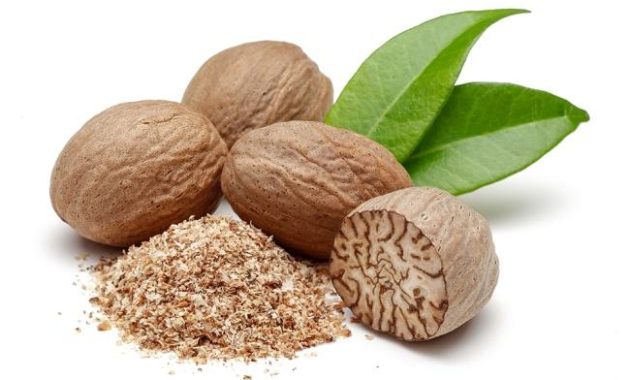
Nutmeg and mace come from the same fruit—nutmeg from the seed, mace from the outer covering.
Flavor Profile
Sweet, nutty, warm, slightly peppery.
Culinary Uses
- Desserts
- Meat stews
- Beverages
Medicinal & Cultural Uses
- Digestive aid
- Sleep remedies
- Ritual offerings
Cinnamon (Kayu Manis): Indonesia’s Sweet Heat
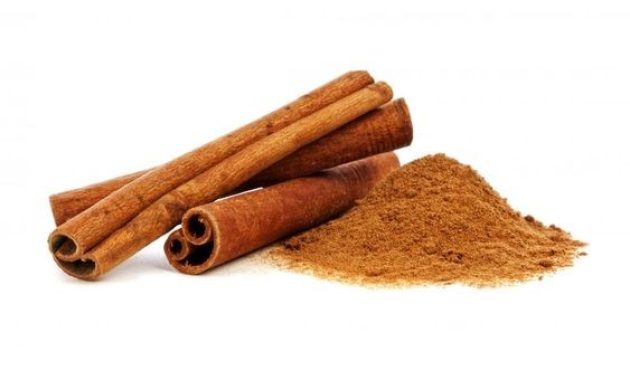
Primary region: Kerinci (Sumatra)
Indonesian cinnamon (Cassia) is thicker and milder than Ceylon cinnamon.
Flavor Profile
Sweet, woody, softly spicy.
Uses
- Curries
- Drinks
- Meat dishes
- Desserts
Indonesia is one of the world’s top cinnamon exporters.
Black & White Pepper (Lada): The Original Trade Spice

Regions: Lampung, Bangka, Kalimantan
Pepper is often overlooked today, but it was once the world’s most traded spice.
Flavor Profile
Sharp, hot, pungent.
Culinary Uses
- Marinades
- Soups
- Grilled meats
Turmeric (Kunyit): Color, Health & Ritual

Turmeric plays a dual role in Indonesian life.
Flavor Profile
Earthy, bitter, slightly peppery.
Culinary Uses
- Nasi kuning
- Curries
- Spice pastes
Cultural Uses
- Wedding rituals
- Blessings
- Jamu (herbal drinks)
Galangal (Lengkuas): The Aromatic Backbone

Often confused with ginger but far more citrusy and pine-like.
Used In
- Soto
- Rendang
- Curries
Galangal defines the aroma of Indonesian soups.
Ginger (Jahe): Heat & Healing
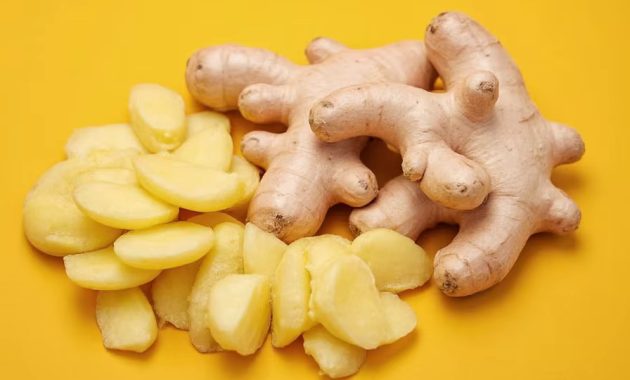
Used fresh, dried, or powdered.
Uses
- Tea
- Stir-fries
- Herbal medicine
Lemongrass (Serai): Citrus Without Sour
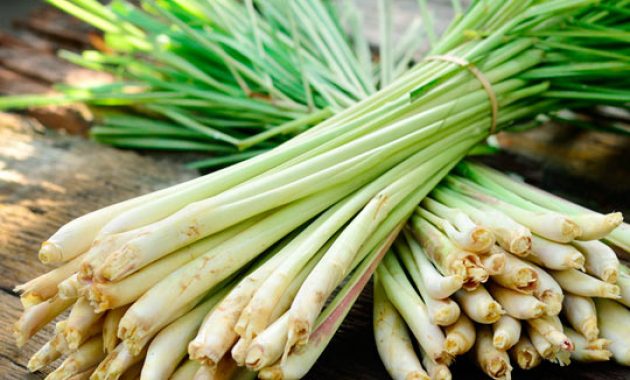
Adds aroma rather than acidity.
Uses
- Grilled dishes
- Soups
- Curries
Coriander (Ketumbar): The Hidden Hero
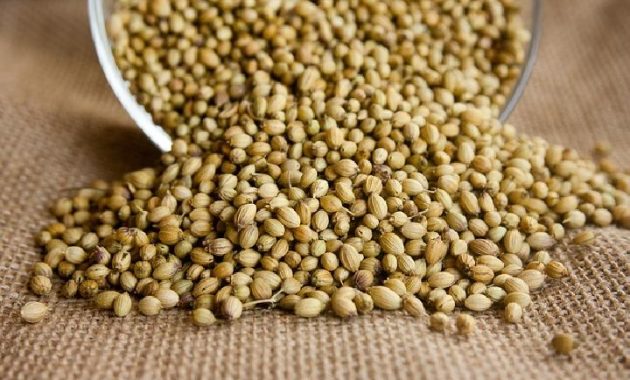
Ground coriander is foundational in Indonesian marinades.
Indonesia Spice Comparison & Usage Table
| Spice | Origin Region | Flavor Profile | Culinary Use | Medicinal Use | Common Dishes |
|---|---|---|---|---|---|
| Cloves | Maluku | Sweet, intense | Stews, spice blends | Dental, antiseptic | Rendang |
| Nutmeg | Banda Islands | Sweet, nutty | Desserts, curries | Sleep aid | Semur |
| Cinnamon | Sumatra | Sweet, woody | Drinks, meats | Blood sugar | Kari |
| Pepper | Lampung | Hot, pungent | Marinades | Digestion | Soto |
| Turmeric | Java | Earthy, bitter | Rice, curries | Anti-inflammatory | Nasi kuning |
| Galangal | Java | Citrus, sharp | Soups | Digestion | Tom-style soups |
| Ginger | Nationwide | Spicy, warming | Drinks | Cold relief | Wedang jahe |
| Lemongrass | Nationwide | Citrusy, fresh | Curries | Detox | Soto |
| Coriander | Java | Warm, nutty | Marinades | Digestion | Ayam goreng |
Bumbu: The Foundation of Indonesian Cooking
Indonesian cuisine is built on bumbu, freshly ground spice pastes.
Main Types of Bumbu
- Bumbu putih – garlic, shallots, coriander
- Bumbu kuning – turmeric-based
- Bumbu merah – chili-based
Each region has its own bumbu variations.
Sambal: Where Spices Become Identity
Sambal isn’t just chili—it’s spice artistry.
Popular sambals:
- Sambal terasi
- Sambal matah
- Sambal bajak
Each sambal reflects local ingredients and culture.
Spices in Iconic Indonesian Dishes
Rendang
Uses cloves, cinnamon, galangal, nutmeg, turmeric.
Soto
Built on coriander, lemongrass, ginger.
Nasi Goreng
Garlic, shallots, chili, sweet soy sauce.
Spices Beyond the Kitchen
Jamu: Herbal Medicine Tradition
Jamu blends turmeric, ginger, cinnamon, and roots.
Used for:
- Immunity
- Digestion
- Skin health
Ritual & Spiritual Use
- Turmeric in ceremonies
- Cloves in offerings
- Incense blends
Spices are sacred, not decorative.
Spice Markets: Where Flavor Lives
Best markets:
- Traditional markets (pasar)
- Maluku local markets
- Bali morning markets
Markets offer unmatched aroma and authenticity.
Buying Indonesian Spices as Souvenirs
Tips:
- Buy whole spices
- Avoid plastic packaging
- Store airtight
- Declare if required
Cooking Indonesian Spices at Home
Starter kit:
- Coriander
- Turmeric
- Galangal
- Lemongrass
Use mortar & pestle for best results.
FAQs – Indonesia Spices Guide
Why were Indonesian spices so valuable historically?
They were rare, medicinal, and preserved food.
Which Indonesian spices are most famous globally?
Cloves, nutmeg, cinnamon, pepper.
Are Indonesian spices very spicy?
Many are aromatic rather than hot.
Is Indonesian food always spicy?
No—spices focus on depth, not heat.
Where are the Spice Islands?
In Maluku, eastern Indonesia.
Indonesia Spices Guide : Can tourists visit spice plantations?
Yes, especially in Bali and Maluku.
Are spices still important to Indonesia’s economy?
Yes, especially cloves and pepper.
Do Indonesians still use fresh spices daily?
Absolutely—fresh bumbu is standard.
What’s the difference between Indonesian and Indian spices?
Indonesian spices emphasize aroma and balance.
Are spices used in Indonesian rituals?
Yes, turmeric and cloves are sacred.
Can I bring Indonesian spices home?
Yes, check customs rules.
Is nutmeg still grown only in Indonesia?
No, but Indonesia remains a key producer.
Final Verdict: Why Indonesian Spices Still Shape the World
This Indonesia spices guide proves that spices are not just ingredients—they are history, culture, medicine, and identity. Indonesian spices shaped global trade routes centuries ago, and today they continue to influence kitchens worldwide.
To understand Indonesia is to follow its flavors—from volcanic soil to steaming plates—where every spice tells a story older than modern nations themselves.