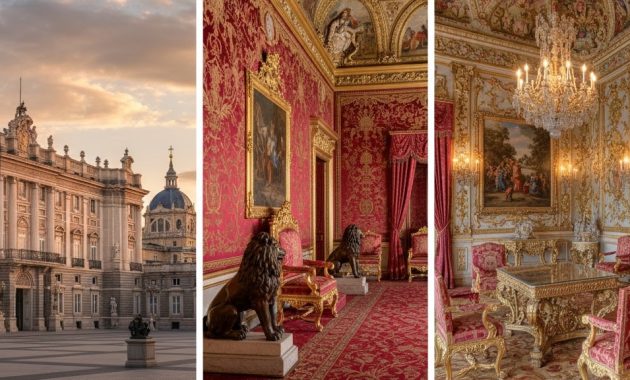
The first time I stepped into the Royal Palace of Madrid, I expected grandeur. What I didn’t expect was silence — the kind that makes you instinctively lower your voice, as if the walls themselves are listening. Outside, Madrid buzzes with life. Inside, time slows. Chandeliers glow softly, marble floors echo with centuries of footsteps, and every room whispers stories of kings, queens, and empires. This Royal Palace of Madrid guide is designed to help you experience the palace not just as a tourist attraction, but as a journey into Spain’s royal soul.
What Is the Royal Palace of Madrid?
A Palace Still Used by Royalty
The Palacio Real de Madrid is the largest royal palace in Western Europe, with over 3,400 rooms. While Spain’s royal family no longer lives here, the palace is still used for:
- Official ceremonies
- State receptions
- Diplomatic events
That dual identity — historic yet alive — is what makes visiting so special.
A Brief Historical Glimpse
Built in the 18th century on the site of a former Moorish fortress, the palace reflects:
- Baroque and Classical architecture
- Bourbon royal influence
- Spain’s imperial past
Why the Royal Palace of Madrid Is Worth Visiting
If Madrid is Spain’s heart, the palace is its memory. This Royal Palace of Madrid guide highlights why it’s unmissable:
- Lavish interiors rarely matched in Europe
- World-class art and tapestries
- Fascinating royal rituals
- A chance to walk through living history
Must-See Rooms Inside the Royal Palace
1. The Grand Staircase
Your visit begins dramatically. Designed by Sabatini, the staircase feels ceremonial — wide, elegant, and crowned by frescoes that set the tone for everything that follows.
2. The Throne Room
This is the emotional core of the palace.
- Red velvet walls
- Gilded lions guarding the throne
- Ceiling fresco by Tiepolo
It’s power, symbolism, and artistry combined.
3. The Royal Armory
Often overlooked, yet unforgettable.
- Medieval armor
- Royal weapons
- One of the finest collections in Europe
This room reminds you that royalty was once inseparable from warfare.
4. The Royal Chapel
Soft light filters in, reflecting off marble and gold. The chapel houses:
- Sacred relics
- Royal religious art
- A peaceful contrast to the palace’s opulence
5. The Gasparini Room
Pure Rococo elegance.
- Silk-covered walls
- Intricate floral designs
- One of the most photographed rooms
6. The Royal Dining Room
Still used for official banquets, it gives insight into:
- Modern royal protocol
- Formal Spanish dining traditions
Art, Frescoes & Tapestries
The palace isn’t just royal — it’s artistic.
- Frescoes by Goya, Velázquez, and Tiepolo
- Flemish tapestries covering entire walls
- Porcelain, clocks, and decorative arts
This Royal Palace of Madrid guide recommends slowing down here — details matter.
The Royal Palace Gardens
Sabatini Gardens
Formal, symmetrical, and peaceful. Ideal for:
- Post-visit walks
- Sunset views
- Palace photography
Campo del Moro
More natural and expansive, stretching behind the palace toward the river.
Changing of the Guard Ceremony
One of Madrid’s most elegant spectacles.
- Weekly changing: Every Wednesday & Saturday
- Solemn ceremony: First Wednesday of each month
Watching soldiers in traditional uniforms brings the palace to life.
Tickets & Practical Information
Ticket Prices (Approximate)
- General admission: €14
- Reduced ticket: €7
- Free entry: EU citizens during limited hours
Best Way to Buy Tickets
- Official website (recommended)
- On-site ticket office (arrive early)
Skip-the-line tickets are worth it during peak seasons.
Best Time to Visit the Royal Palace of Madrid
Early Morning
- Fewer crowds
- Quieter atmosphere
Late Afternoon
- Warmer lighting
- Less rushed experience
Avoid
- Midday weekends
- Public holidays
How to Get There
- Metro: Ópera Station (Lines 2 & 5)
- Bus: Multiple routes stop nearby
- Walking: Easy from Plaza Mayor
Dress Code & Visitor Etiquette
- Comfortable but respectful clothing
- No hats indoors
- Photography allowed (no flash)
- Quiet behavior appreciated
Tips for a Meaningful Royal Palace of Madrid Visit
- Allow at least 2 hours
- Use the audio guide
- Start from the upper floors
- Combine with Almudena Cathedral
- Visit gardens afterward to decompress
FAQs – Royal Palace of Madrid Guide
Is the Royal Palace still used by the king?
Yes, for official ceremonies.
How long does a visit take?
Around 2–3 hours.
Can I visit without a guided tour?
Yes, self-guided visits are common.
Is photography allowed inside Royal Palace of Madrid?
Yes, without flash.
Is the palace wheelchair accessible?
Yes, with elevators and ramps.
Are there free entry hours at Royal Palace of Madrid?
Yes, for EU citizens at specific times.
Is Royal Palace of Madrid suitable for children?
Yes, especially older children.
Can I see the Changing of the Royal Palace of Madrid Guard?
Yes, check official schedules.
Is the palace better than Versailles?
Different — Madrid’s palace feels more intimate and ceremonial.
Are bags allowed inside Royal Palace of Madrid?
Small bags only; security checks apply.
Can I combine the Royal Palace of Madrid visit with nearby attractions?
Yes — Plaza Mayor, Almudena Cathedral, and Madrid Río.
Is Royal Palace of Madrid crowded year-round?
Peak seasons are spring and summer.
Royal Palace of Madrid guide : Are gardens free to enter?
Yes, the gardens are open to the public.
Final Verdict: A Palace That Still Breathes Power
This Royal Palace of Madrid guide proves that the palace is more than a monument — it’s a living symbol of Spain’s identity. Walking through its halls, you don’t just admire beauty; you feel authority, ceremony, and legacy. It’s refined without being cold, grand without being distant.
If you want to understand Madrid beyond tapas bars and plazas, start here — where Spain still greets the world in royal style.