Navigating Transportation in Thailand with Ease
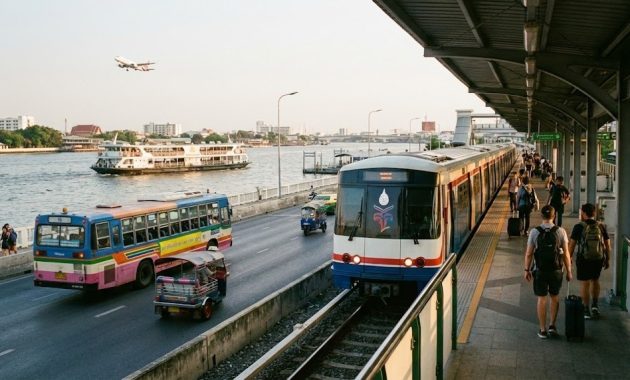
The moment you step out into Thailand’s lively streets, one thing becomes clear — movement is constant. Tuk-tuks buzz past buses, trains glide through countryside rice fields, ferries cut across turquoise waters, and budget flights connect cities in under an hour. Understanding transportation in Thailand is the key to unlocking the country’s diversity. Whether you’re hopping islands in the south, traveling overnight to the north, or navigating Bangkok’s traffic, Thailand offers one of Southeast Asia’s most varied and affordable transport systems.
This guide walks you through trains, buses, flights, ferries, and local transport, helping you choose the best option for comfort, budget, and travel style.
Overview of Transportation in Thailand
Thailand’s transport network is well-developed, tourist-friendly, and affordable.
You’ll find:
- Long-distance trains and sleeper routes
- Extensive bus networks
- Frequent domestic flights
- Reliable ferries to islands
- Cheap local transport in cities
Choosing the right option depends on distance, time, and comfort preferences.
Train Travel in Thailand
Thailand’s Railway Network
Thailand’s railway system connects major cities like Bangkok, Chiang Mai, Ayutthaya, Hua Hin, Surat Thani, and Nong Khai.
Trains are slower than flights but offer scenic routes and a relaxed travel experience.
Train Classes Explained
- Third Class: Cheapest, fan-cooled, basic seating
- Second Class: Air-conditioned or fan, reclining seats or sleepers
- First Class: Private sleeper cabins (limited availability)
Overnight sleeper trains are popular for long distances.
Pros and Cons of Trains
Pros
- Affordable
- Scenic countryside views
- Comfortable overnight options
Cons
- Slower than flying
- Occasional delays
Train travel remains a classic and enjoyable part of transportation in Thailand.
Bus Travel in Thailand
Long-Distance Buses
Buses reach almost every corner of Thailand and are often faster than trains.
Types include:
- Standard buses
- VIP buses with reclining seats
- Overnight buses
Minivans
Minivans operate short and medium routes and are faster but less spacious.
Pros and Cons of Buses
Pros
- Extensive coverage
- Budget-friendly
- Frequent departures
Cons
- Can be cramped
- Driving styles may feel aggressive
Buses are one of the most flexible options for transportation in Thailand.
Domestic Flights in Thailand
When Flying Makes Sense
Thailand has excellent domestic air connectivity. Flying is ideal for long distances or tight schedules.
Popular routes include:
- Bangkok ↔ Chiang Mai
- Bangkok ↔ Phuket
- Bangkok ↔ Krabi
Budget Airlines
Low-cost carriers make flying surprisingly affordable:
- Thai AirAsia
- Nok Air
- Thai VietJet
- Thai Lion Air
Flights often cost less than long bus or train journeys when booked early.
Pros and Cons of Flying
Pros
- Fast and convenient
- Competitive pricing
- Time-saving
Cons
- Baggage fees on budget airlines
- Airport transfers required
Flights are a major pillar of modern transportation in Thailand.
Ferry and Boat Travel in Thailand
Island Transportation
Ferries and speedboats connect mainland Thailand to islands like:
- Phuket
- Koh Samui
- Koh Phangan
- Koh Tao
- Phi Phi Islands
Types of Boats
- Car ferries: Slower, cheaper
- Speedboats: Faster, more expensive
Weather conditions can affect schedules, especially during monsoon season.
Getting Around Cities and Towns
Taxis and Ride-Hailing
- Metered taxis common in Bangkok
- Grab widely used in major cities
Tuk-Tuks and Songthaews
- Tuk-tuks for short distances
- Songthaews (shared trucks) common in smaller towns
Public Transport in Bangkok
Bangkok offers the most advanced urban transport:
- BTS Skytrain
- MRT Subway
- Airport Rail Link
These systems help avoid traffic congestion.
Renting Vehicles in Thailand
Motorbike Rentals
Popular in islands and small towns.
Important:
- International driving permit recommended
- Helmets are mandatory
Car Rentals
Suitable for families or rural travel.
Driving is on the left side.
Transportation Costs in Thailand (Overview)
- Local bus ride: USD 0.30–1 / EUR 0.25–0.90
- Taxi short ride: USD 2–5 / EUR 1.80–4.50
- Domestic flight (budget): USD 25–70 / EUR 23–65
- Ferry ride: USD 5–20 / EUR 4.50–18
Costs vary by distance, season, and booking time.
Tips for Using Transportation in Thailand
- Book flights and sleeper trains early during holidays
- Use official counters for buses and ferries
- Keep small cash for local transport
- Avoid rush hours in Bangkok
- Combine transport types for flexibility
FAQs About Transportation in Thailand
Is transportation in Thailand safe?
Yes, generally safe when using reputable services.
What’s the cheapest way to travel long distances in Thailand?
Overnight buses or third-class trains.
Is flying expensive in Thailand?
No. Budget airlines offer very affordable fares.
Are trains better than buses in Thailand?
Trains are more scenic; buses are often faster.
Can tourists use public transport easily in Thailand?
Yes, especially in major cities.
Is Grab available everywhere in Thailand?
Mostly in cities and tourist areas.
Are ferries reliable year-round in Thailand?
Yes, but weather can cause delays during monsoon season.
Do I need to book transport in advance?
For flights and sleeper trains, yes.
Is renting a motorbike in Thailand safe?
Only if you’re experienced and insured.
What’s the best transport for island hopping in Thailand?
Ferries and speedboats.
Can I travel Thailand without flying?
Absolutely — trains and buses cover most routes.
Is Bangkok’s public transport tourist-friendly?
Very. BTS and MRT are easy to use and well-signposted.
Final Verdict: Choosing the Best Transportation in Thailand
Transportation in Thailand is diverse, affordable, and adaptable to every travel style. Whether you prefer scenic train rides, budget flights, overnight buses, or island ferries, Thailand makes it easy to move around without stress.
The best strategy is flexibility — mix transport options based on distance, time, and comfort. With a little planning, getting around Thailand becomes part of the adventure itself.