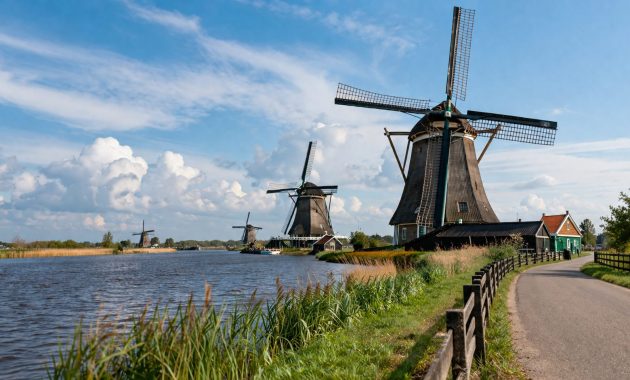
Few symbols are as closely associated with the Netherlands as the iconic Dutch windmill. Standing proudly above canals, fields, and villages, these historic structures have become one of the country’s most recognizable landmarks. For many travelers, seeing traditional windmills is one of the highlights of visiting the Netherlands, alongside cycling through tulip fields and exploring Amsterdam’s picturesque canals.
The first time I saw a row of windmills turning slowly against a Dutch sunset, it felt like stepping into a postcard. Yet these beautiful structures are much more than tourist attractions. For centuries, windmills played a vital role in Dutch survival, helping drain water, grind grain, process timber, and power industries that contributed to the country’s prosperity.
Today, hundreds of historic windmills remain across the Netherlands, preserving a fascinating part of Dutch heritage while attracting visitors from around the world. This comprehensive guide explores the history of Dutch Windmills, their importance to Dutch culture, and the best places to see them.
Why Are Windmills So Important in the Netherlands?
When most people think of Dutch windmills, they imagine picturesque countryside scenery. However, windmills were once essential machines that helped shape the modern Netherlands.
Much of the country lies at or below sea level. Without effective water management, large areas would be vulnerable to flooding.
For centuries, windmills helped:
- Drain wetlands
- Pump water from low-lying land
- Reclaim land from lakes and marshes
- Grind grain into flour
- Saw timber
- Produce oils
- Process industrial materials
In many ways, windmills helped create the Netherlands as we know it today.
The History of Dutch Windmills
Early Origins
Windmills first appeared in the Netherlands during the medieval period.
While earlier forms existed elsewhere in Europe and the Middle East, Dutch engineers adapted windmill technology to suit the country’s unique landscape and water-management needs.
By the 15th century, windmills had become increasingly common across the country.
The Dutch Golden Age
During the 17th century, the Netherlands experienced a period of extraordinary economic growth known as the Dutch Golden Age.
Windmills played a major role in this success.
They powered industries such as:
- Shipbuilding
- Grain milling
- Timber processing
- Paper manufacturing
- Oil production
The efficiency of Dutch windmill technology helped support international trade and maritime expansion.
Land Reclamation
Perhaps the most remarkable achievement of Dutch windmills was their role in reclaiming land.
Large lakes and marshes were drained using coordinated systems of wind-powered pumps.
This process created:
- Farmland
- Villages
- Cities
- Agricultural regions
Without windmills, much of the modern Dutch landscape would not exist.
How Dutch Windmills Work
Traditional windmills convert wind energy into mechanical power.
Main Components
Sails
The large blades capture wind energy.
Cap
The top section rotates to face the wind.
Gears
Transfer power from the sails to machinery.
Pump or Mill Mechanism
Depending on the windmill’s purpose, the power may be used to:
- Pump water
- Grind grain
- Saw wood
- Crush seeds
Although modern technology has largely replaced traditional windmills, many remain operational today.
Different Types of Dutch Windmills
Not all windmills served the same purpose.
1. Polder Mills
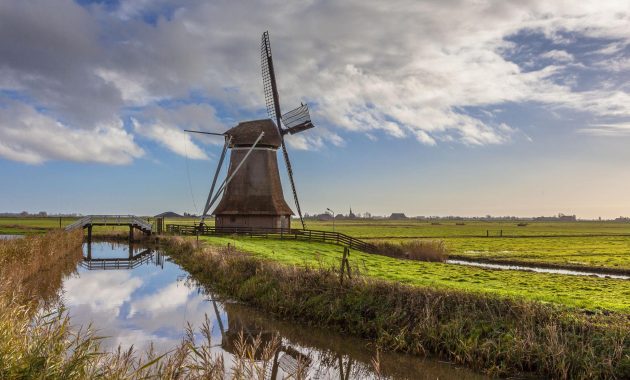
These windmills pumped water from low-lying land into canals and rivers.
Their work helped reclaim land from lakes and marshes.
Polder mills are among the most historically important windmills in the Netherlands.
2. Grain Mills
Used to grind wheat, rye, and other grains into flour.
Many grain mills are still operating and produce flour sold locally.
3. Sawmills
Sawmills transformed timber into planks for construction and shipbuilding.
During the Dutch Golden Age, these mills helped support one of the world’s largest shipbuilding industries.
4. Oil Mills
Used to crush seeds such as flax and rapeseed to produce oils.
These oils were used for cooking, lighting, and industrial purposes.
5. Industrial Windmills
Some windmills processed pigments, paper materials, spices, and other products used in manufacturing.
Windmills vs Modern Wind Turbines
Visitors sometimes confuse historic windmills with modern wind turbines.
Traditional Windmills
- Built primarily from wood and brick
- Mechanical machines
- Hundreds of years old
- Used for milling and pumping
Modern Wind Turbines
- Generate electricity
- Made from steel and composite materials
- Part of renewable energy systems
- Much larger than traditional windmills
Both rely on wind power, but they serve very different purposes.
Best Places to See Dutch Windmills
The Netherlands offers many excellent opportunities to experience traditional windmills.
1. Zaanse Schans
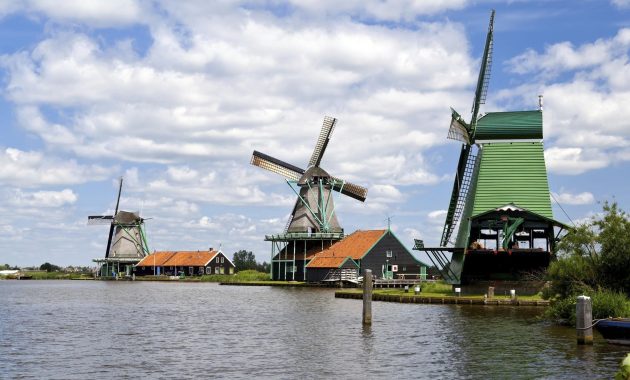
Zaanse Schans is one of the most famous windmill destinations in the country.
Located just north of Amsterdam, it features:
- Historic windmills
- Traditional houses
- Museums
- Craft workshops
- Scenic canals
Visitors can enter several working windmills and watch demonstrations.
Why Visit
- Easy day trip from Amsterdam
- Excellent photography opportunities
- Family-friendly attractions
- Historic atmosphere
2. Kinderdijk
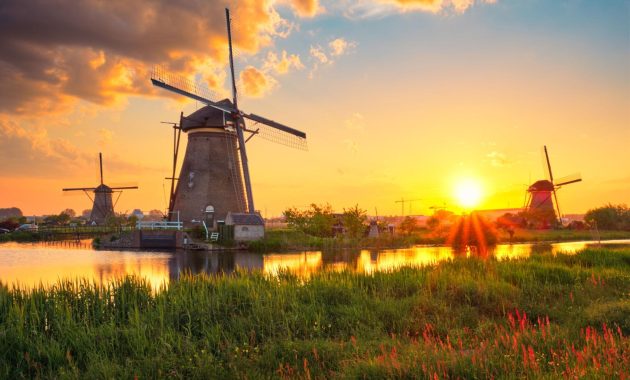
No guide to Dutch Windmills would be complete without Kinderdijk.
This UNESCO World Heritage Site features 19 historic windmills built to manage water levels.
Highlights
- UNESCO recognition
- Beautiful canal landscapes
- Cycling routes
- Boat tours
- Visitor centers
Kinderdijk is widely considered the most iconic windmill destination in the Netherlands.
3. Schiedam
Located near Rotterdam, Schiedam is home to some of the tallest traditional windmills in the world.
Historically, these mills were used in the production of jenever, the traditional Dutch spirit.
Why Visit
- Unique urban setting
- Historic distilleries
- Less crowded than major tourist sites
4. Alkmaar Region
The countryside around Alkmaar contains numerous traditional windmills surrounded by canals and farmland.
Visitors can combine windmill sightseeing with the city’s famous cheese market.
5. Leiden and South Holland
The area around Leiden offers several picturesque windmills set within historic urban landscapes.
These locations are often less crowded than Amsterdam-area attractions.
6. Open-Air Museums
Several Dutch museums preserve and showcase traditional windmills.
Examples include:
- Historic villages
- Industrial heritage museums
- Water management museums
These sites provide deeper insight into the engineering and cultural significance of windmills.
Can You Go Inside a Dutch Windmill?
Yes, many windmills welcome visitors.
Inside, you can often see:
- Original machinery
- Wooden gears
- Grinding equipment
- Water pumps
- Living quarters used by millers
Some windmills still operate regularly, offering fascinating demonstrations.
The Life of a Dutch Miller
Operating a windmill required considerable skill.
Millers needed to understand:
- Wind direction
- Weather conditions
- Mechanical systems
- Maintenance techniques
The profession was often passed down through generations.
Today, volunteer millers help preserve these historic traditions.
Windmills and Dutch Water Management
Perhaps the most important role of Dutch windmills was controlling water.
The Netherlands has fought against flooding for centuries.
Windmills helped:
- Drain lakes
- Protect farmland
- Manage water levels
- Support growing communities
Modern pumping stations have largely replaced them, but many historic windmills remain symbols of Dutch ingenuity.
Best Time to Visit Dutch Windmills
Spring (March–May)
One of the most popular seasons.
Benefits include:
- Tulip fields
- Mild weather
- Vibrant countryside
Combining windmills with tulip season creates unforgettable scenery.
Summer (June–August)
Ideal for:
- Cycling tours
- Boat trips
- Outdoor photography
Expect larger crowds at famous locations.
Autumn (September–November)
Offers:
- Fewer tourists
- Beautiful autumn colors
- Comfortable temperatures
Winter (December–February)
Creates a magical atmosphere, particularly when frost or light snow covers the landscape.
Best Photography Tips
Visit Early Morning
You’ll enjoy:
- Soft lighting
- Fewer visitors
- Calm reflections in canals
Stay for Sunset
Windmills silhouetted against a colorful sky create spectacular images.
Include Water Reflections
Canals often provide beautiful mirror-like reflections.
Use a Bicycle as a Foreground Element
Cycling and windmills are two iconic Dutch symbols that pair perfectly in travel photos.
Windmill Festivals and Events
Several regions host events celebrating Dutch windmill heritage.
National Mill Day (Molendag)
During this annual event:
- Hundreds of windmills open to the public
- Special tours are offered
- Demonstrations take place
- Volunteer millers share their knowledge
It’s one of the best opportunities to experience working windmills.
Windmills in Dutch Art and Culture
Windmills have inspired countless artists throughout history.
They appear in:
- Paintings
- Postcards
- Souvenirs
- Literature
- Photography
They remain one of the strongest visual symbols of Dutch identity.
Suggested Windmill Day Trip from Amsterdam
| Time | Activity |
|---|---|
| 8:00 | Depart Amsterdam |
| 9:00 | Explore Zaanse Schans |
| 11:30 | Visit working windmills |
| 1:00 | Lunch in a traditional village |
| 3:00 | Continue to Kinderdijk |
| 5:00 | Walk the canal paths |
| 7:00 | Sunset photography |
| 8:00 | Return to Amsterdam |
For travelers with more time, each location deserves a full day of exploration.
Common Mistakes Tourists Make
Avoid these frequent mistakes:
- Visiting only one windmill site.
- Assuming all windmills are identical.
- Arriving midday when photography conditions are less favorable.
- Skipping guided tours.
- Forgetting to bring a camera with extra battery life.
- Missing nearby cycling routes.
FAQs – Dutch Windmills
Why are Dutch windmills famous?
They played a crucial role in water management, land reclamation, and industrial development.
How many windmills are still in the Netherlands?
Hundreds of historic windmills remain throughout the country, many of which are preserved and maintained.
What is the most famous windmill site?
Kinderdijk is generally considered the most iconic windmill destination.
Can visitors enter windmills?
Yes. Many historic windmills are open to the public.
Are windmills still used today?
Some remain operational for demonstrations, milling, and water management purposes.
What’s the difference between Kinderdijk and Zaanse Schans?
Kinderdijk focuses primarily on historic water-management windmills, while Zaanse Schans combines windmills with museums, workshops, and a heritage village atmosphere.
When is the best time to visit windmills?
Spring and summer offer the best weather, while spring adds the beauty of nearby tulip fields.
Are windmills free to visit?
Many can be viewed from outside for free, though some charge admission for entry and museum access.
Can I cycle between windmills?
Yes. The Netherlands’ extensive cycling network makes windmill-themed bike tours extremely popular.
Why did the Dutch need windmills for water management?
Large parts of the country lie below sea level, requiring continuous water control to prevent flooding.
Which windmills are closest to Amsterdam?
Zaanse Schans is one of the easiest and most popular day trips from Amsterdam.
Are Dutch windmills a UNESCO World Heritage attraction?
Kinderdijk is a UNESCO World Heritage Site recognized for its historic water-management system.
Final Verdict: Why Dutch Windmills Are a Must-See Attraction
The story of Dutch Windmills is the story of the Netherlands itself. These remarkable structures helped reclaim land from the sea, powered industries during the Dutch Golden Age, and shaped the landscapes that millions of travelers admire today.
Whether you’re photographing the famous windmills of Kinderdijk, exploring the historic workshops of Zaanse Schans, cycling through peaceful countryside villages, or learning about centuries of Dutch engineering, visiting windmills offers far more than a picturesque travel experience. It provides a fascinating glimpse into the ingenuity, resilience, and cultural heritage that continue to define the Netherlands.