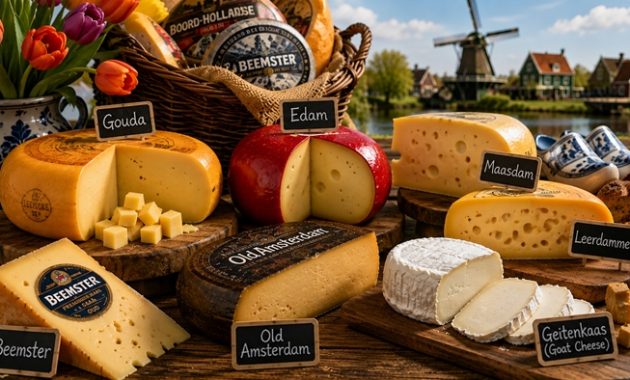
For many travelers, one of the first culinary experiences in the Netherlands is stepping into a traditional cheese shop. Towering wheels of golden Gouda line wooden shelves, friendly shopkeepers offer generous samples, and the rich aroma of aged cheese fills the air. Whether you’re strolling through the historic streets of Amsterdam, visiting a centuries-old cheese market, or exploring a small countryside farm, cheese is impossible to ignore.
The Netherlands has been producing world-famous cheese for hundreds of years. Thanks to its fertile pastures, mild climate, and long dairy farming tradition, Dutch cheeses are celebrated for their exceptional quality, wide variety of flavors, and careful craftsmanship. While Gouda and Edam are internationally famous, they’re only the beginning of what Dutch cheesemakers have to offer.
This comprehensive Dutch Cheese Guide explores the country’s most famous cheeses, regional specialties, how cheese is made, where to enjoy authentic tastings, and what every tourist should bring home.
Why Dutch Cheese Is Famous Worldwide
The Netherlands is one of the world’s largest cheese exporters, producing hundreds of millions of kilograms of cheese every year. Dutch cheese has become synonymous with quality thanks to centuries of expertise and strict production standards.
Several factors contribute to its global reputation:
- Rich grazing pastures for dairy cattle
- High-quality milk
- Traditional cheesemaking techniques
- Modern quality control
- Wide variety of aging methods
- Strong dairy farming heritage
Dutch cheese is exported to more than 100 countries, yet tasting it fresh in the Netherlands is an entirely different experience.
A Brief History of Dutch Cheese
Cheesemaking in the Netherlands dates back to at least the Middle Ages. Historical records show that Dutch farmers were producing and trading cheese as early as the 12th century.
By the 17th century, during the Dutch Golden Age, cheese had become one of the country’s most valuable exports. Markets flourished in cities such as Gouda and Alkmaar, where farmers brought large wheels of cheese to be weighed, inspected, and sold.
Many of these traditional markets continue today as cultural attractions, preserving centuries-old customs and demonstrating how important cheese remains to Dutch identity.
How Dutch Cheese Is Made
Although recipes vary, most Dutch cheeses follow a similar production process.
Step 1: Fresh Milk
High-quality cow’s milk forms the foundation of most Dutch cheeses, though goat’s and sheep’s milk varieties are also available.
Step 2: Adding Cultures and Rennet
Beneficial bacteria and rennet help coagulate the milk, separating the curds from the whey.
Step 3: Pressing
The curds are pressed into molds to create their familiar round or wheel-shaped forms.
Step 4: Brining
Cheese wheels are soaked in saltwater, enhancing flavor while helping preserve the cheese.
Step 5: Aging
Perhaps the most important stage, aging can last anywhere from a few weeks to several years. During this period, texture, aroma, and flavor become increasingly complex.
Understanding Dutch Cheese Aging
One of the easiest ways to choose Dutch cheese is by its age.
| Dutch Term | Approximate Age | Flavor Profile |
|---|---|---|
| Jong (Young) | 4–8 weeks | Mild, creamy, soft |
| Jong Belegen | Around 2 months | Smooth with a slightly richer taste |
| Belegen | Around 4–6 months | Balanced, nutty, firmer texture |
| Extra Belegen | Around 7–10 months | Fuller flavor with slight caramel notes |
| Oud (Old) | 10–12 months | Rich, crumbly, intense |
| Overjarig (Very Old) | 18 months to 3 years+ | Crystalline texture, bold, complex, savory |
Sampling cheeses at different ages is one of the highlights of any visit to the Netherlands.
1. Gouda Cheese
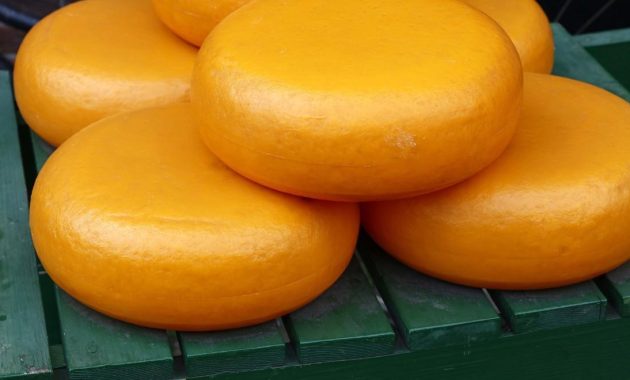
Gouda cheese is undoubtedly the country’s most famous cheese.
Despite its name, much of today’s Gouda is produced throughout the Netherlands rather than exclusively in the city of Gouda.
Flavor
Young Gouda offers:
- Mild taste
- Creamy texture
- Smooth finish
Aged Gouda develops:
- Caramel notes
- Nutty flavors
- Crunchy protein crystals
- Rich umami character
Best Pairings
- Fresh bread
- Apples
- Pears
- Mustard
- Red wine
- Dark beer
2. Edam Cheese
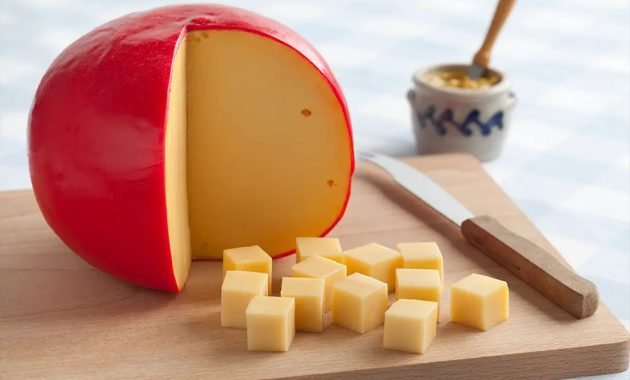
Named after the historic town of Edam, Edam is recognizable by its distinctive round shape and, for export versions, its bright red wax coating.
Characteristics
- Mild flavor
- Slightly salty
- Smooth texture
- Lower fat content than some other cheeses
Edam is especially popular for sandwiches and cheese platters.
3. Maasdam Cheese
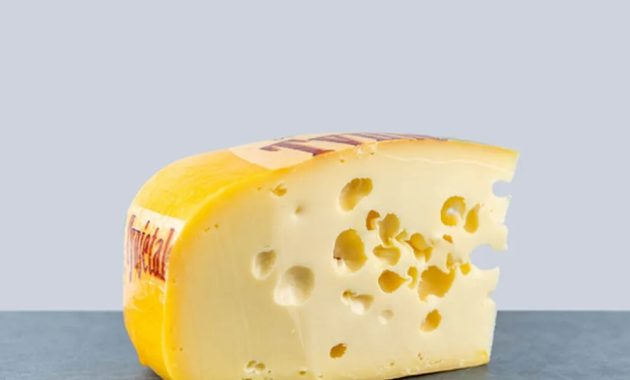
Often compared to Swiss Emmental because of its large holes, Maasdam offers a sweeter and nuttier flavor.
Characteristics
- Large eyes (holes)
- Soft texture
- Slight sweetness
- Excellent melting qualities
Perfect for:
- Toasted sandwiches
- Cheese boards
- Cooking
4. Leyden Cheese (Leidse Kaas)
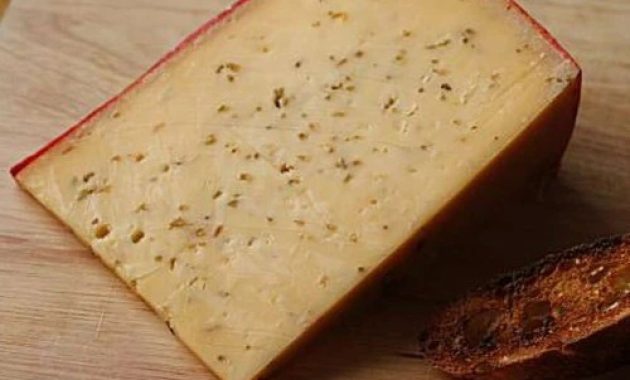
Originating near Leiden, Leyden cheese stands out because it’s flavored with cumin seeds.
Flavor Profile
- Mild spice
- Earthy aroma
- Firm texture
- Distinctive cumin taste
It’s an excellent choice for travelers looking to try something beyond the more familiar Dutch cheeses.
5. Goat’s Cheese (Geitenkaas)
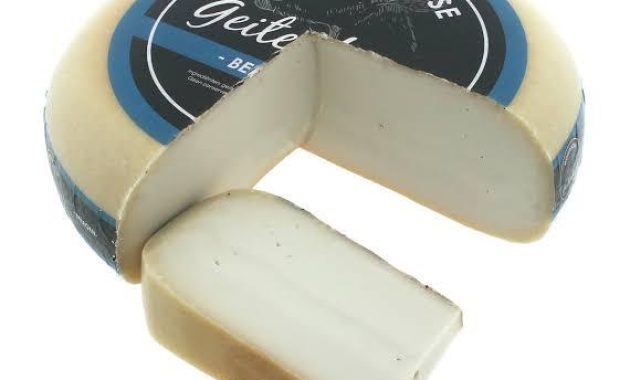
Goat’s cheese has become increasingly popular across the Netherlands.
Varieties range from:
- Fresh and creamy
- Semi-aged
- Fully matured
Goat’s cheese pairs beautifully with honey, walnuts, and fresh salads.
6. Smoked Dutch Cheese
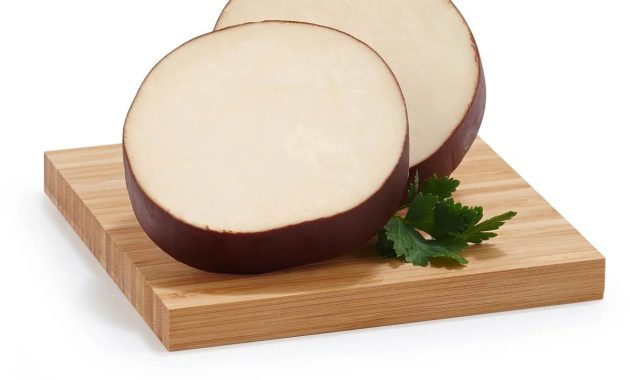
Some Dutch cheeses are naturally smoked, giving them:
- Golden-brown rind
- Mild smoky aroma
- Richer flavor
Smoked Gouda is particularly popular among international visitors.
7. Organic Farmhouse Cheese (Boerenkaas)
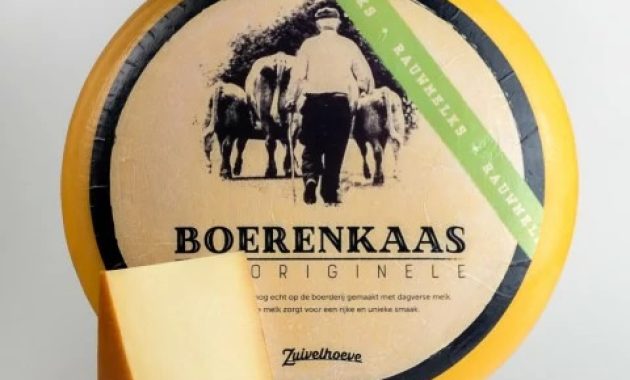
Boerenkaas, meaning “farmer’s cheese,” is traditionally made on farms using raw milk.
Because production methods vary between farms, each cheese develops its own unique flavor and character.
Many cheese enthusiasts consider Boerenkaas one of the finest cheeses in the country.
8. Sheep’s Milk Cheese
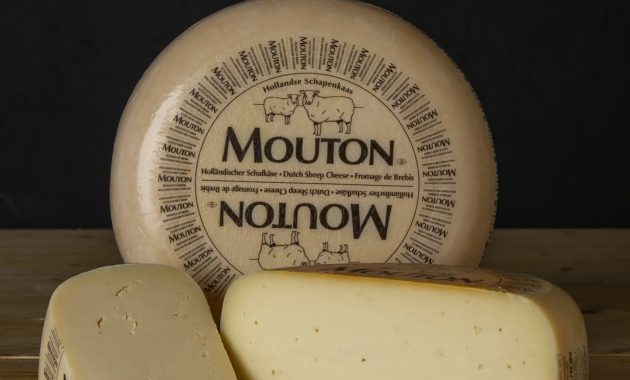
Although less common than cow’s milk cheese, sheep’s milk varieties are available in specialty cheese shops.
These cheeses typically feature:
- Rich flavor
- Creamy texture
- Slight nuttiness
Regional Cheese Specialties
Different parts of the Netherlands have their own dairy traditions.
North Holland
Known for:
- Edam
- Beemster cheese
- Traditional Gouda
South Holland
Famous for:
- Gouda
- Farmhouse cheeses
Friesland
Produces:
- Creamy farmhouse cheeses
- Artisan dairy products
Limburg
Known for:
- Goat’s cheese
- Regional farm cheeses
Visiting Traditional Dutch Cheese Markets
One of the most memorable experiences for visitors is attending a traditional cheese market.
Alkmaar Cheese Market
Held during the warmer months, this famous market recreates centuries-old trading traditions.
Visitors can watch:
- Cheese weighing
- Traditional cheese carriers
- Historical demonstrations
- Local performances
Gouda Cheese Market
Located in the city’s historic square, this market showcases local producers, cheese tastings, and traditional costumes.
Edam Cheese Market
A smaller but charming market that celebrates the town’s long cheese-making heritage.
Cheese Tasting Tips
A proper Dutch cheese tasting is about more than simply eating cheese.
Start Mild
Begin with young cheeses before moving to older varieties.
Observe the Texture
Notice how aging affects firmness and the appearance of protein crystals.
Smell Before Tasting
Aromas often reveal subtle buttery, nutty, or caramel notes.
Pair with Bread
Simple bread or crackers allow the cheese’s natural flavors to shine.
Cleanse Your Palate
Use water between samples to fully appreciate each variety.
Best Foods to Pair with Dutch Cheese
Popular accompaniments include:
- Fresh bread
- Rye crackers
- Apples
- Pears
- Grapes
- Walnuts
- Honey
- Fig jam
- Whole-grain mustard
These combinations are commonly found on Dutch cheese boards.
Best Drinks to Pair with Dutch Cheese
Different cheeses pair well with different beverages.
| Cheese | Recommended Pairing |
|---|---|
| Young Gouda | White wine, cider |
| Aged Gouda | Red wine, dark beer |
| Edam | Lager, sparkling wine |
| Goat’s Cheese | Sauvignon Blanc |
| Smoked Cheese | Amber ale |
| Boerenkaas | Craft beer or full-bodied red wine |
Coffee and tea are also popular with milder cheeses during daytime tastings.
Visiting a Dutch Cheese Farm
Many dairy farms welcome visitors and provide an authentic look at cheesemaking.
A typical visit may include:
- Meeting dairy cows or goats
- Cheese-making demonstrations
- Guided tastings
- Farm shops
- Local products such as butter, yogurt, and milk
These experiences are especially popular in the countryside around Amsterdam and North Holland.
How to Buy Dutch Cheese as a Tourist
Most cheese shops vacuum-seal purchases, making them suitable for travel.
When buying cheese:
- Ask for tasting samples
- Request vacuum packaging
- Check customs rules for your destination
- Keep cheese cool during long journeys
Many shops also offer international shipping.
Dutch Cheese Souvenirs
Popular cheeses to bring home include:
- Aged Gouda
- Smoked Gouda
- Edam
- Leyden cheese
- Goat’s cheese
- Mini cheese wheels
- Gift boxes with assorted cheeses
Vacuum-sealed cheese is usually the easiest option for travelers.
Common Mistakes Tourists Make
Avoid these common cheese-related mistakes:
- Buying cheese only from souvenir shops instead of specialty cheese stores.
- Assuming all Gouda tastes the same regardless of age.
- Skipping cheese tastings before purchasing.
- Refrigerating cheese immediately before serving—it develops better flavor at room temperature.
- Missing seasonal cheese markets during summer visits.
Suggested Dutch Cheese Tasting Itinerary
| Time | Experience |
|---|---|
| 9:30 | Visit a local cheese shop for tastings |
| 11:00 | Explore a traditional cheese market |
| 1:00 | Lunch with a Dutch cheese platter |
| 3:00 | Tour a nearby cheese farm |
| 5:00 | Sample aged Gouda with local drinks |
| 7:30 | Purchase vacuum-packed cheeses to take home |
FAQs – Dutch Cheese Guide
What is the most famous Dutch cheese?
Gouda is the Netherlands’ most famous and widely exported cheese.
Is Gouda always made in Gouda?
No. While it originated in the city of Gouda, it is now produced throughout the Netherlands.
Which Dutch cheese is the mildest?
Young Gouda and Edam are among the mildest and most approachable varieties.
What is Boerenkaas?
Boerenkaas is traditional farmhouse cheese made from raw milk using artisanal methods.
Can I visit Dutch cheese markets?
Yes. Markets in Alkmaar, Gouda, and Edam are popular attractions during the warmer months.
Is Dutch cheese expensive?
Prices vary depending on age and quality, but excellent cheeses are available across a wide range of budgets.
What cheese should first-time visitors buy?
Young Gouda, aged Gouda, and Edam offer a great introduction to Dutch cheesemaking.
Can I bring Dutch cheese home?
In many cases, yes, particularly if it’s vacuum-packed. However, always check your destination country’s customs and food import regulations.
What’s the difference between young and aged Gouda?
Young Gouda is soft and creamy, while aged Gouda becomes firmer, more crumbly, and develops deeper caramel and nutty flavors.
Are cheese tastings free?
Many specialty cheese shops offer complimentary samples, though organized tastings or farm tours may charge a fee.
What’s the best season to visit cheese markets?
Late spring through early autumn is generally the best time, when traditional cheese markets are in operation.
Is Dutch cheese only made from cow’s milk?
No. Although cow’s milk is most common, the Netherlands also produces excellent goat’s and sheep’s milk cheeses.
Final Verdict: Discover the Rich Tradition of Dutch Cheese
No visit to the Netherlands is complete without exploring its remarkable cheese culture. Whether you’re tasting creamy young Gouda, savoring the caramel notes of an aged wheel, discovering the cumin-spiced character of Leyden cheese, or visiting a historic market where centuries-old trading traditions continue, Dutch cheese offers an authentic taste of the country’s agricultural heritage.
This Dutch Cheese Guide is your starting point for discovering the incredible diversity of cheeses found across the Netherlands. From bustling cheese markets and artisan farmhouses to cozy neighborhood cheese shops, every tasting experience adds another delicious layer to your Dutch adventure.