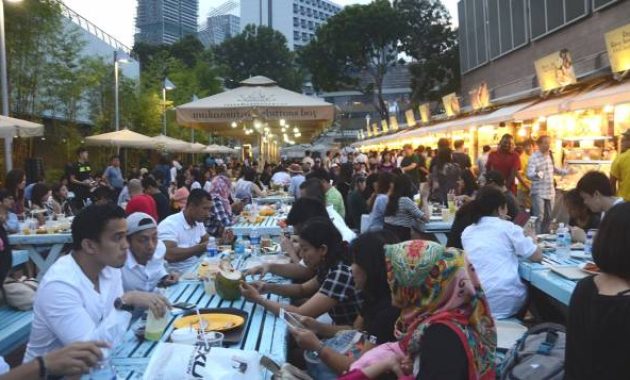
Singapore is a vibrant melting pot of cultures—Chinese, Malay, Indian, and Western influences—blending tradition with modernity. While the city-state is progressive, it maintains deep respect for customs, social harmony, and mutual courtesy. Understanding local etiquette will help you not only avoid faux pas but also enrich your travel experience. This Singapore cultural guide will walk you through essential do’s and don’ts so you can explore with confidence and respect.
General Etiquette: Respecting Diversity and Social Norms
Singapore is known for its cultural harmony, which stems from a foundation of mutual respect and thoughtful behavior. With a population composed of diverse ethnic groups—primarily Chinese, Malay, Indian, and Eurasian—daily interactions are built on politeness, tolerance, and social responsibility. As a tourist, adopting these basic etiquette norms not only shows respect for local culture but also ensures smoother and more enjoyable experiences in public, at restaurants, and during social encounters.
- Be Polite and Courteous: Always greet with a smile. Saying “please,” “thank you,” and “excuse me” goes a long way.
- Avoid Public Displays of Anger: Singaporeans value calm, composed interactions. Raising your voice or being confrontational is frowned upon.
- Queue Up and Wait Your Turn: Whether you’re at a hawker centre or MRT station, Singaporeans form orderly queues. Jumping the line is a major faux pas.
- Punctuality is Valued: Arriving on time is expected, especially in business or formal settings. If you’re running late, always inform the person in advance.
Dining Etiquette in Singapore
- Don’t Point with Chopsticks: It’s considered rude. Also, never stick them upright in a bowl—it resembles funeral rites.
- Share Communally with Clean Utensils: If you’re dining with locals, use serving spoons or reverse chopsticks for shared dishes.
- Clear Your Tray at Hawker Centres: Singapore’s government strongly encourages diners to return trays and clean up after themselves.
- Don’t Hog Seats at Food Courts: If you’re reserving a table while someone gets food, locals often use tissue packs—a lighthearted tradition known as “chope-ing.” Respect this if you see a marked seat.
Public Behavior & Laws Tourists Should Know
Singapore takes law and order seriously—and that’s a major reason the city is clean, safe, and efficient. However, many of its regulations may seem strict or unusual to first-time visitors. From bans on chewing gum to rules about behavior on public transport, it’s important to be aware of the local laws and behavioral expectations. Ignorance of these rules can lead to fines or unpleasant encounters, so it’s best to understand what’s expected of you when navigating public spaces in the Lion City.
- No Littering or Jaywalking: These are not just social rules—they’re enforced by law, with heavy fines.
- No Chewing Gum: Importing and selling gum is illegal (except for medical purposes), and chewing it in public is discouraged.
- No Eating or Drinking on Public Transport: It’s strictly prohibited on MRT trains and buses.
- Respect Personal Space: Singaporeans appreciate personal boundaries, especially in public spaces like elevators or buses.
Dress Code and Modesty
- Dress Appropriately at Temples and Mosques: Cover shoulders and knees. Remove shoes before entering.
- Casual Wear is Fine Elsewhere: In most areas, shorts and t-shirts are acceptable due to the tropical climate, but upscale restaurants and nightclubs may enforce dress codes.
Greetings and Gestures
- Handshake or Nod: Handshakes are common in business settings, but nods and smiles suffice for casual interactions.
- Use the Right Hand: When giving or receiving items (especially money or gifts), always use your right hand or both hands—never just the left.
- Avoid Pointing with Fingers: Use your whole hand to gesture toward something, especially when giving directions.
Religious and Cultural Sensitivity
Singapore is home to a rich tapestry of religions—Buddhism, Islam, Christianity, Hinduism, Taoism, and more—each with its own traditions, practices, and sacred spaces. As a visitor, it’s essential to approach these religious and cultural sites with a respectful mindset. Whether you’re entering a mosque, temple, or church, observing appropriate dress codes, behavior, and customs is not only courteous but often expected. Being mindful of religious sensitivities helps promote cross-cultural understanding and ensures you leave a positive impression as a respectful guest in this multicultural nation.
- Be Quiet in Places of Worship: Silence your phone, remove your hat, and speak softly.
- Don’t Touch Sacred Objects: Always ask before photographing or interacting with religious statues or artifacts.
- Be Mindful During Festivals: Singapore celebrates many cultural holidays—like Deepavali, Chinese New Year, and Hari Raya. Respect rituals, avoid interrupting ceremonies, and enjoy the festive atmosphere respectfully.
Tipping Culture in Singapore
- Tipping is Not Mandatory: Service charges (usually 10%) are included in restaurant bills. Tipping is appreciated but not expected.
- In Hotels and Taxis: You may tip bellhops or housekeeping a few dollars for excellent service. Taxi drivers generally do not expect tips.
Singapore cultural guide : Gift-Giving Etiquette
- Gifts Are Welcomed But Not Required: Small tokens of appreciation are fine in personal contexts.
- Wrap Carefully: Avoid using white wrapping paper (associated with funerals). Bright colors like red or gold are more auspicious.
- Avoid Certain Items: Don’t give clocks, sharp objects, or handkerchiefs—they’re considered unlucky in some Asian cultures.
Common Missteps to Avoid
- Don’t Assume Everyone Speaks the Same Language: While English is widely spoken, accents and dialects vary. Speak clearly and respectfully.
- Avoid Stereotyping: Singapore’s multicultural society thrives on mutual respect. Don’t make assumptions based on race or ethnicity.
- Don’t Touch People’s Heads: Especially for children or elderly people in certain communities, this may be considered offensive.
FAQs: Singapore cultural guide
Is tipping expected in Singapore?
No, tipping is not customary. Most restaurants add a service charge, and tips are rarely expected in taxis or hotels.
Can I chew gum in Singapore?
No, chewing gum is banned unless it’s for medical use. It’s illegal to import or sell chewing gum.
Are public displays of affection acceptable in Singapore?
Modest affection like holding hands is fine, but kissing or hugging in public may draw disapproving looks.
How should I greet locals in Singapore?
A smile and nod are common; handshakes are appropriate in formal settings. Avoid overly physical greetings.
Do I need to take off my shoes anywhere in Singapore?
Yes, when entering someone’s home or religious sites like temples and mosques.
Is it okay to point at things or people in Singapore?
No, pointing with your finger is considered rude. Use your whole hand to gesture instead.
Can I photograph people and cultural sites freely in Singapore?
Always ask permission before photographing locals, especially monks or in temples.
How should I behave on public transport in Singapore?
Be quiet, give up your seat for the elderly or pregnant, and don’t eat or drink on trains or buses.
What is ‘chope-ing’ in Singapore?
It’s the practice of reserving seats at hawker centres with tissues or personal items—respect this tradition.
Is punctuality important in Singapore?
Yes, especially in business or formal settings. Arriving late is considered disrespectful.
Should I avoid any hand gestures in Singapore?
Yes, never show the bottom of your feet, and avoid aggressive gestures. They’re seen as rude.
What should I wear to a religious site in Singapore?
Wear modest clothing covering shoulders and knees. Remove your shoes before entering.
Final Thought: Travel Respectfully and Enjoy Fully
Understanding local customs is key to being a respectful guest in any country, and Singapore is no different. With its rich tapestry of cultures and emphasis on harmony, simple gestures of etiquette make a big impact. By following this Singapore cultural guide, you’ll be better prepared to immerse yourself in the local experience—and likely receive a warmer welcome from locals wherever you go.