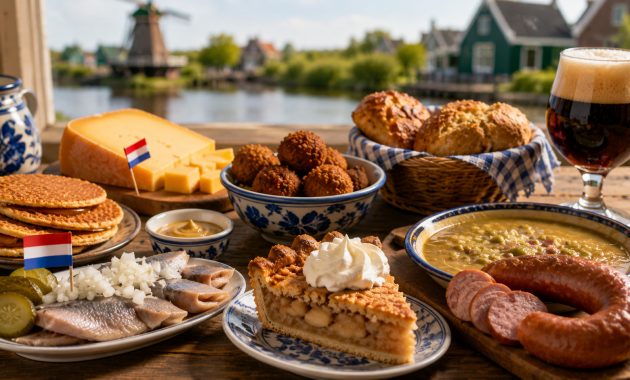
The first thing many travelers think of when visiting the Netherlands is canals, windmills, colorful tulip fields, and bicycles. But after spending just a few days exploring Dutch cities, I realized that one of the country’s greatest attractions is its food.
From freshly baked stroopwafels enjoyed at bustling markets to crispy bitterballen served alongside local beer, Dutch cuisine is comforting, hearty, and deeply connected to the country’s history. Influenced by centuries of maritime trade, farming traditions, and regional specialties, the Netherlands offers far more than cheese and pancakes.
Whether you’re wandering the canals of Amsterdam, exploring the modern streets of Rotterdam, or cycling through small villages, you’ll find delicious local dishes waiting around every corner.
This comprehensive Dutch Food Guide introduces the must-try traditional dishes, famous street food, regional specialties, desserts, drinks, and practical dining tips to help you eat like a local.
What Makes Dutch Cuisine Unique?
Dutch food is often described as simple, seasonal, and satisfying. Rather than relying on complex spices, traditional recipes highlight fresh local ingredients such as potatoes, vegetables, dairy products, seafood, and bread.
The country’s location along the North Sea has shaped its love of fish, while fertile farmland has made Dutch cheeses and dairy products famous around the world.
Key characteristics include:
- Fresh local ingredients
- Hearty comfort food
- High-quality dairy
- Fresh seafood
- Homemade baked goods
- Sweet pastries and desserts
- Seasonal produce
Although modern Dutch cities feature cuisines from around the globe, trying traditional local dishes remains one of the highlights of any visit.
Must-Try Traditional Dutch Dishes
1. Stroopwafels

No Dutch Food Guide would be complete without stroopwafels.
These famous treats consist of two thin waffle layers filled with rich caramel syrup.
The best experience is eating one freshly made at a market while it’s still warm.
Best places to try:
- Street markets
- Bakeries
- Food halls
2. Bitterballen
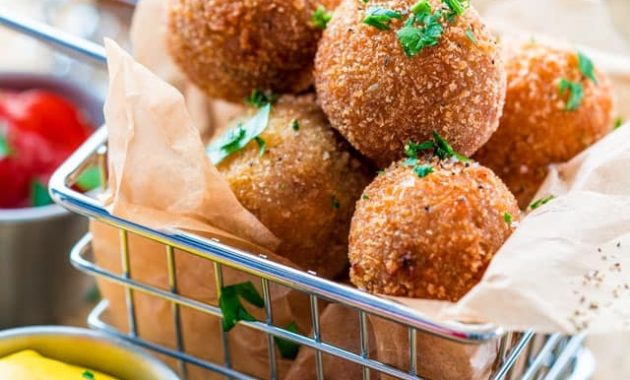
Bitterballen are one of the Netherlands’ most beloved snacks.
These crispy, deep-fried balls contain a creamy beef ragout filling.
They’re commonly served with mustard and enjoyed alongside drinks.
Perfect for:
- Afternoon snacks
- Happy hour
- Traditional pubs
3. Poffertjes
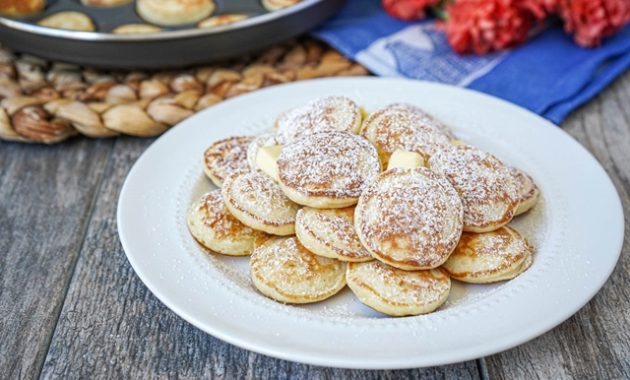
Small, fluffy pancakes dusted generously with powdered sugar.
Often topped with:
- Butter
- Chocolate sauce
- Fresh fruit
- Whipped cream
They’re especially popular at festivals and Christmas markets.
4. Dutch Pancakes (Pannenkoeken)
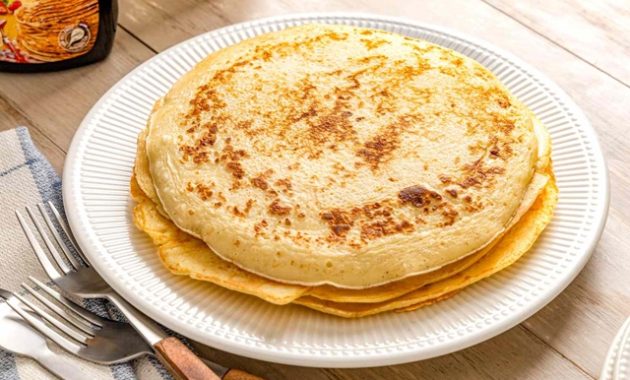
Unlike American pancakes, Dutch pancakes are large, thin, and can be either sweet or savory.
Popular toppings include:
- Bacon
- Cheese
- Apples
- Mushrooms
- Ham
- Syrup
Many restaurants specialize exclusively in pannenkoeken.
5. Stamppot
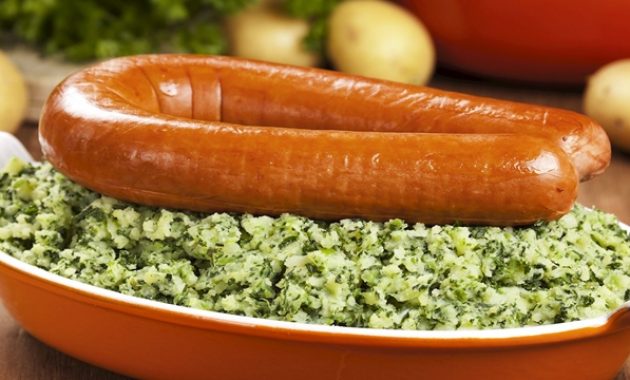
A traditional winter comfort food made from mashed potatoes mixed with vegetables.
Common variations include:
- Kale (Boerenkool)
- Sauerkraut
- Carrots
- Endive
It’s usually served with smoked sausage known as rookworst.
6. Erwtensoep (Split Pea Soup)
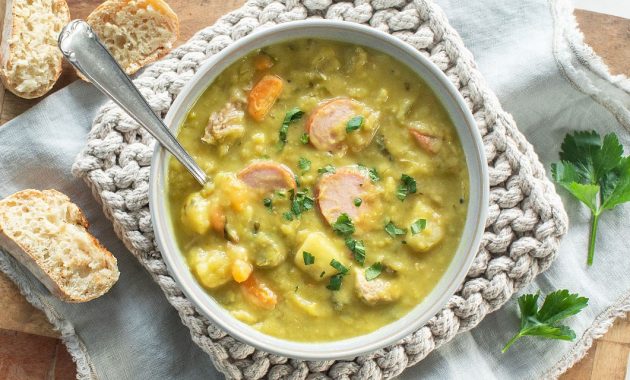
This thick pea soup is another Dutch classic.
Made with:
- Split peas
- Pork
- Sausage
- Vegetables
It’s traditionally enjoyed during cold weather after ice skating or winter walks.
7. Haring (Raw Herring)
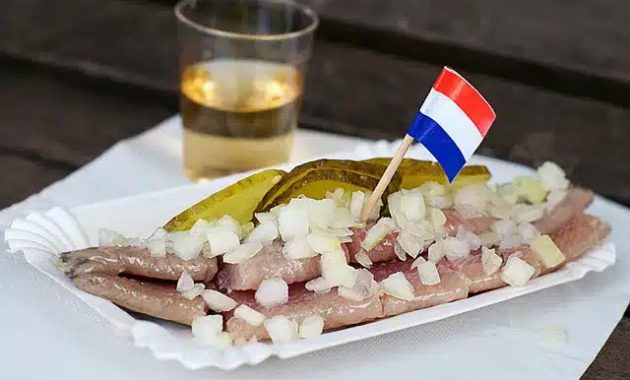
Raw herring is one of the country’s most famous traditional foods.
It’s typically served with:
- Chopped onions
- Pickles
Many locals eat it by holding the fish by the tail before taking a bite.
For adventurous food lovers, it’s an unforgettable culinary experience.
8. Kibbeling
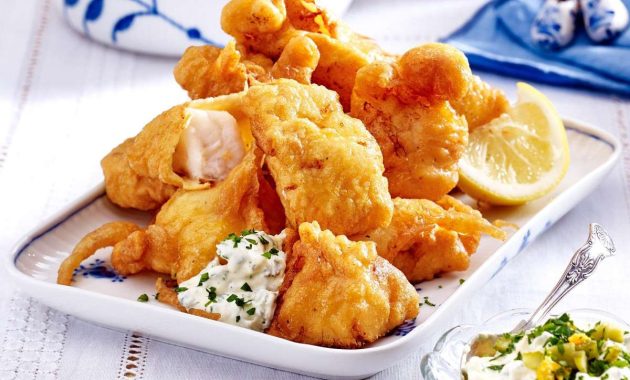
Kibbeling consists of bite-sized pieces of battered white fish that are deep-fried until golden.
Usually served with:
- Garlic sauce
- Remoulade
- Lemon
It’s a favorite at fish stalls throughout the country.
9. Frikandel

This skinless sausage is one of the Netherlands’ most popular fast foods.
It can be served:
- Plain
- With mayonnaise
- Curry ketchup
- Chopped onions
A “Frikandel Speciaal” combines all three toppings.
10. Kroket
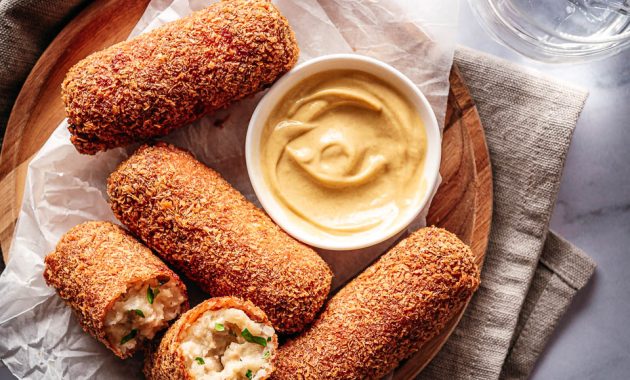
Similar to bitterballen but shaped like a croquette.
The filling usually contains:
- Beef ragout
- Veal
- Chicken
- Shrimp (regional varieties)
Many locals enjoy a kroket inside a soft bread roll for lunch.
Famous Dutch Cheeses
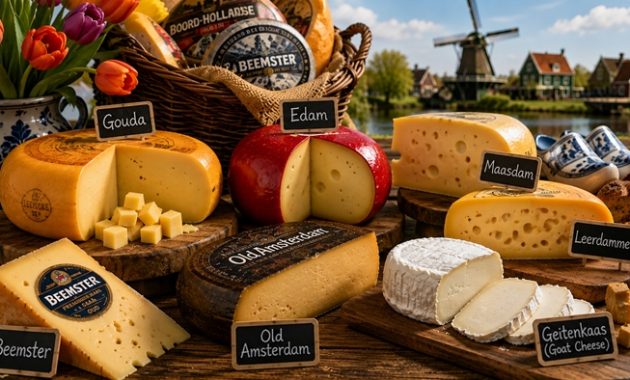
The Netherlands is synonymous with exceptional cheese.
Gouda
Gouda cheese is the country’s most famous export.
Available in:
- Young
- Mature
- Extra aged
- Smoked
- Herb-infused
Edam
Recognizable by its round shape and mild flavor.
Perfect for:
- Sandwiches
- Cheese boards
- Picnics
Maasdam
Known for its large holes and slightly sweet, nutty taste.
Often compared to Swiss cheese.
Leyden Cheese
Flavored with cumin seeds, giving it a distinctive spicy aroma.
Seafood Specialties
Thanks to the North Sea, seafood plays an important role in Dutch cuisine.
Popular choices include:
- Mussels
- North Sea shrimp
- Oysters (seasonal)
- Smoked eel
- Fried fish
- Sole
Fishing villages often offer the freshest seafood experiences.
Traditional Dutch Desserts
Appeltaart
Dutch apple pie differs from many international versions.
It features:
- Thick pastry
- Large apple pieces
- Cinnamon
- Raisins (optional)
Often served with whipped cream.
Vla
A smooth dairy dessert similar to custard.
Popular flavors include:
- Vanilla
- Chocolate
- Caramel
- Strawberry
Oliebollen
Traditionally enjoyed during New Year’s celebrations.
These deep-fried dough balls are dusted generously with powdered sugar.
Bossche Bol
Originating from ‘s-Hertogenbosch, this indulgent pastry features a large cream-filled choux bun coated in rich dark chocolate.
Traditional Dutch Drinks
Coffee
The Dutch love coffee, and cafés are found in every city.
A typical coffee break is often accompanied by a cookie or small pastry.
Hot Chocolate
Particularly popular during winter months.
Often served with whipped cream.
Dutch Beer
The Netherlands has a long brewing tradition.
Besides internationally known brands, many local craft breweries produce excellent lagers, wheat beers, IPAs, and seasonal specialties.
Always drink responsibly and observe the legal drinking age.
Jenever
Jenever is the traditional Dutch juniper-flavored spirit and is considered the predecessor of modern gin.
It is commonly served in small tulip-shaped glasses.
Best Street Food to Try
Street food is affordable and widely available.
Popular options include:
- Stroopwafels
- Kibbeling
- Haring
- Frikandel
- Bitterballen
- Patat (Dutch fries)
- Kaassoufflé (fried cheese pastry)
Food markets are excellent places to sample several specialties in one visit.
Dutch Regional Food Specialties
Different parts of the Netherlands have their own culinary traditions.
Amsterdam
Known for:
- Fresh herring
- Indonesian rijsttafel
- Stroopwafels
- Cheese shops
Rotterdam
Offers:
- International cuisine
- Fresh seafood
- Food halls
- Modern cafés
Limburg
Famous for:
- Limburgse Vlaai (fruit pie)
- Local wines
- Regional cheeses
North Sea Coast
Ideal for:
- Fresh mussels
- Fish
- Oysters
- Shrimp
Dutch Vegetarian and Vegan Food
Although traditional Dutch cuisine often features meat and dairy, vegetarian and vegan options are increasingly available.
Most major cities offer:
- Plant-based cafés
- Vegan bakeries
- Vegetarian restaurants
- Dairy-free desserts
Even traditional dishes such as stamppot are now commonly prepared in vegetarian versions.
Dutch Dining Etiquette
Dining in the Netherlands is generally relaxed.
Helpful tips include:
- Wait until everyone is served before eating.
- It’s common to ask for the bill when you’re ready.
- Splitting the bill is normal.
- Tipping around 5–10% is appreciated for excellent service but not obligatory.
Dutch Food Markets Worth Visiting
Exploring local markets is one of the best ways to experience Dutch cuisine.
Popular markets include:
- Albert Cuyp Market
- Markthal
- Weekly cheese markets in Alkmaar and Gouda
- Seasonal Christmas markets
You’ll find everything from local cheeses and pastries to international street food.
Dutch Seasonal Foods
Spring
- White asparagus
- Fresh strawberries
- Young Gouda cheese
Summer
- Herring season
- Fresh berries
- Ice cream
Autumn
- Mushroom dishes
- Apple desserts
- Game specialties
Winter
- Stamppot
- Erwtensoep
- Oliebollen
- Hot chocolate
Trying seasonal dishes is a great way to experience authentic Dutch food culture.
Foods to Bring Home from the Netherlands
Many Dutch specialties make excellent souvenirs.
Popular choices include:
- Gouda cheese
- Edam cheese
- Stroopwafels
- Dutch chocolate
- Licorice (Drop)
- Jenever (subject to customs regulations)
- Delft Blue-themed kitchen items
Always check your destination country’s customs rules before transporting food products.
Common Mistakes Tourists Make
Avoid these common food-related mistakes:
- Buying only packaged supermarket stroopwafels instead of trying freshly made ones.
- Skipping local markets.
- Assuming Dutch cuisine is limited to cheese.
- Forgetting to try regional specialties.
- Not carrying cash or a payment card accepted by smaller market vendors.
- Leaving without tasting bitterballen or kibbeling.
Suggested One-Day Dutch Food Tour
| Time | Food Experience |
|---|---|
| 8:30 | Coffee and appeltaart at a local café |
| 10:00 | Fresh stroopwafel from a market |
| 12:30 | Pannenkoeken for lunch |
| 3:00 | Cheese tasting at a specialty shop |
| 5:00 | Bitterballen with a local drink |
| 7:30 | Stamppot or seafood dinner |
| 9:00 | Dutch dessert or hot chocolate |
This itinerary offers a balanced introduction to both traditional flavors and modern Dutch dining.
FAQ – Dutch Food Guide
What is the most famous Dutch food?
Stroopwafels are arguably the country’s most iconic sweet treat, while Gouda cheese and bitterballen are among its best-known savory specialties.
Is Dutch food expensive?
Prices vary, but many traditional dishes and street foods are reasonably affordable compared with dining in other Western European countries.
Is Dutch cuisine spicy?
Generally no. Traditional Dutch dishes tend to emphasize fresh ingredients and comforting flavors rather than strong spices.
Can vegetarians eat well in the Netherlands?
Yes. Most cities have numerous vegetarian and vegan restaurants, and many traditional dishes now have plant-based versions.
Where can I try authentic Dutch food?
Local markets, traditional cafés, pancake houses, seafood stalls, and regional restaurants are excellent places to start.
Is tipping expected in the Netherlands?
Not necessarily. Service is usually included, but rounding up the bill or leaving 5–10% for excellent service is appreciated.
What Dutch cheese should I buy?
Gouda and Edam are the most popular choices, while Maasdam and Leyden are excellent alternatives.
Are Dutch food markets worth visiting?
Absolutely. Markets offer fresh local specialties, snacks, and regional products at reasonable prices.
What drink is traditionally Dutch?
Jenever is the country’s traditional spirit, while Dutch craft beers and coffee are also popular.
Is raw herring safe to eat?
Yes. Herring sold by licensed vendors is prepared according to strict food safety standards.
What dessert should I not miss?
Fresh stroopwafels, appeltaart, poffertjes, and Bossche Bol are all must-try desserts.
What is the best food souvenir from the Netherlands?
Stroopwafels, Gouda cheese, Edam cheese, Dutch chocolate, and licorice (drop) are among the most popular edible souvenirs.
Final Verdict: Experience the Netherlands One Bite at a Time
Exploring Dutch cuisine is about much more than tasting famous cheeses or sweet stroopwafels—it’s a journey through the country’s history, traditions, and regional diversity. From comforting bowls of erwtensoep on a cold winter day to freshly fried kibbeling at a seaside market, every dish tells a story about life in the Netherlands.
Whether you’re sampling warm stroopwafels at a bustling market in Amsterdam, enjoying bitterballen in a traditional brown café, or discovering regional specialties during a countryside road trip, this Dutch Food Guide will help you savor the authentic flavors that make Dutch gastronomy an unforgettable part of any visit.