What Makes Singapore’s Peranakan Culture So Special?
Singapore’s multicultural charm is incomplete without the vibrant thread of Peranakan culture—a blend of Chinese, Malay, and Indonesian influences shaped over centuries. Known for its intricate designs, aromatic cuisine, and heritage-rich traditions, Singapore Peranakan culture offers a unique glimpse into the island’s colorful past and present. This guide takes you through its rich roots, where to experience it, and how to appreciate Peranakan food, fashion, art, and more.
Who Are the Peranakans?
The term Peranakan comes from a Malay word meaning “locally born.” The most well-known Peranakans are the Straits Chinese (descendants of Chinese immigrants who settled in the Malay Archipelago), often referred to as Baba-Nyonya—“Baba” for men, “Nyonya” for women.
They developed a distinctive identity, blending Chinese traditions with Malay customs and local adaptations. The result? A beautiful fusion evident in their language (Baba Malay), food, fashion, architecture, and beliefs.
Best Places to Explore Singapore Peranakan Culture
1. Peranakan Museum (Reopening in 2024)

The newly refurbished Peranakan Museum on Armenian Street is the best place to start. It showcases Peranakan traditions through exhibitions on:
- Weddings & family life
- Cuisine & dining customs
- Batik & embroidery
- Religious beliefs & rituals
????️ Opening Hours: Daily 10 AM–7 PM
????️ Admission: Free for locals, S$6–S$12 for tourists
2. Katong & Joo Chiat District

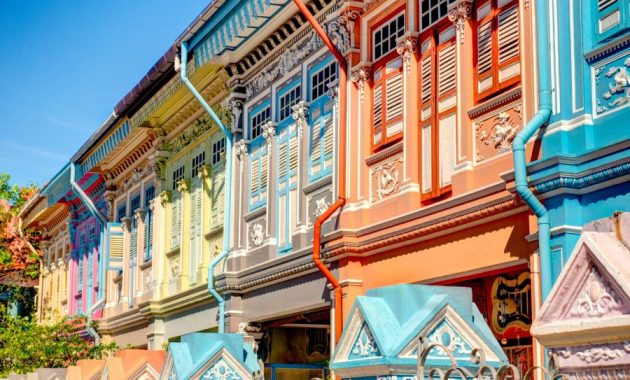
This is the heartland of Peranakan culture in Singapore. Wander through streets lined with pastel-hued shophouses decorated with ornate tiles and floral motifs. Here’s what not to miss:
- Koon Seng Road – Most Instagrammable shophouses in Singapore
- Rumah Bebe – A boutique selling Peranakan clothing, crafts, and antiques
- Kim Choo Kueh Chang – Famous for Nyonya rice dumplings
Shopping Tip: You can buy Peranakan-style porcelain, tiles, or embroidered slippers as souvenirs.
3. National Museum of Singapore
Don’t miss the exhibits on Straits-born Chinese and their impact on Singapore’s colonial society and trade history. It complements the Peranakan Museum and provides historical depth.
Nyonya Cuisine: The Soul of Peranakan Culture

Peranakan food, often called Nyonya cuisine, is a mouthwatering fusion of Chinese ingredients with Malay spices and cooking techniques.
Must-Try Dishes:
- Ayam Buah Keluak – Chicken cooked with black keluak nuts, tangy and earthy
- Babi Pongteh – Braised pork belly with fermented soybean paste
- Laksa – Katong-style laksa is a coconut curry noodle soup with shrimp and cockles
- Ngoh Hiang – Fried five-spice pork rolls wrapped in beancurd skin
- Kueh Lapis & Kueh Salat – Colorful layered rice cakes and pandan custard delights
Where to Eat:
| Restaurant Name | Location | Highlight Dish |
|---|---|---|
| Violet Oon Singapore | National Gallery | Ayam Buah Keluak, Dry Laksa |
| Guan Hoe Soon | Joo Chiat Road | Babi Pongteh |
| Candlenut (Michelin Star) | Dempsey Hill | Elevated Peranakan tasting menu |
| Chilli Padi Nonya Restaurant | Tiong Bahru | Authentic home-style Nyonya dishes |
Foodie Tip: Ask if you can try a Peranakan tasting set to experience multiple flavors in one meal.
Art, Fashion & Design in Peranakan Culture
1. Kebaya & Sarong
Peranakan women (Nyonya) are famous for their kebayas—sheer blouses with intricate embroidery—paired with batik sarongs. They often accessorize with:
- Beaded slippers (Kasut Manek)
- Gold brooches (kerongsang)
- Hairpins and antique jewelry
Where to Shop: Rumah Bebe, Little Nyonya Batik, or heritage tailors in Joo Chiat
2. Beaded Art & Porcelain
Traditional Peranakans excelled in hand-beading, producing:
- Decorative slippers
- Framed artworks
- Intricate table runners
Their ceramics feature signature colors—turquoise, pink, and gold—and motifs like phoenixes and peonies.
Art Tip: Look for Peranakan tile coasters or hand-painted plates for a practical souvenir.
3. Architecture
The Peranakan architectural style is iconic—especially in shophouses with:
- Carved timber doors
- Glazed floral tiles
- Colorful plasterwork
- Swinging half-door entrances (pintu pagar)
The best-preserved examples can be found in Joo Chiat, Emerald Hill, and parts of Little India.
Events & Festivals Celebrating Singapore Peranakan Culture
- Baba Nyonya Convention – Held annually with lectures, dances, and food tastings
- Singapore Heritage Festival – Often includes Peranakan exhibitions or cooking demos
- Hari Raya & Chinese New Year – Some Peranakan families celebrate both with mixed customs
Cultural Tip: Visit during these festivals for immersive heritage tours and cooking workshops.
How to Explore Peranakan Culture: Tips for Tourists
- Take a guided heritage tour in Katong or Emerald Hill
- Join a Nyonya cooking class to learn the basics of spice blending
- Stay at heritage hotels like The Scarlet Singapore or Hotel Indigo Katong for immersive charm
- Visit on weekdays if you want to avoid crowds, especially in Katong cafés or Peranakan boutiques
FAQs: Singapore Peranakan Culture
What does ‘Peranakan’ mean?
It means “locally born” in Malay and refers to descendants of Chinese immigrants who blended with local cultures.
What is Baba-Nyonya?
Baba refers to Peranakan men, and Nyonya to women—together representing Straits Chinese culture.
Where can I try authentic Nyonya food in Singapore?
Katong and Dempsey Hill are two great areas. Try Guan Hoe Soon or Candlenut.
Is Peranakan culture still alive in Singapore?
Absolutely! It thrives in food, fashion, art, and family traditions.
Can I buy Peranakan clothing or art?
Yes, from stores like Rumah Bebe, Little Nyonya Batik, or at the Peranakan Museum gift shop.
What’s special about Peranakan shophouses?
Their blend of European and Chinese design, colorful tiles, and intricate woodwork make them architectural gems.
Do Peranakans speak a different language?
Older generations spoke Baba Malay, a creole of Malay with Hokkien influence.
What desserts are part of Peranakan cuisine?
Kueh Lapis, Kueh Salat, and Ondeh-Ondeh are beloved traditional sweets.
Are there Peranakan souvenirs to take home?
Yes! Think beaded slippers, porcelain, embroidery, or tile-inspired coasters.
Is Peranakan culture part of Singapore’s national identity?
Yes, it’s one of the key cultural threads in Singapore’s diverse tapestry.
Are there Peranakan cooking classes in Singapore?
Yes, some tours and culinary schools offer half-day workshops.
Is Joo Chiat worth visiting for Peranakan culture?
Definitely—it’s the most atmospheric and historically rich area for all things Peranakan.
Final Thoughts: Experience a Living Legacy
The Singapore Peranakan culture is more than just historical—it’s a vibrant, living tradition you can taste, wear, and walk through. From flavorful dishes and intricate designs to heartfelt hospitality and deeply rooted customs, it’s a window into the soulful blend that makes Singapore so unique. Whether you’re exploring heritage trails or sampling spicy Nyonya dishes, your cultural journey in Singapore isn’t complete without embracing its Peranakan charm.