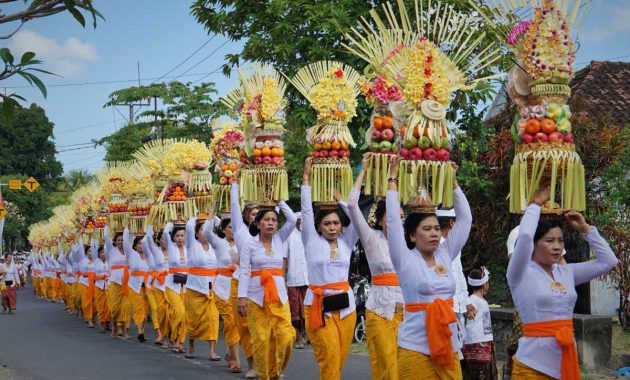
Bali is often called the “Island of the Gods,” not only for its breathtaking landscapes but also for its vibrant cultural heritage. Unlike anywhere else in Indonesia, Bali culture is deeply rooted in Hindu traditions, colorful ceremonies, and a strong sense of community. From daily offerings to grand temple festivals, every aspect of life in Bali reflects a balance between the spiritual and the everyday.
This Bali Culture Guide will help you explore the island’s unique customs, traditional ceremonies, and local way of life — so you can experience Bali beyond the beaches.
The Spiritual Core of Bali
Religion plays a central role in Bali culture, with the majority of Balinese practicing Hinduism. Temples, shrines, and daily rituals are found in every corner of the island.
- Canang Sari (Daily Offerings): Small palm-leaf baskets filled with flowers, rice, and incense placed at homes, temples, and businesses.
- Pura (Temples): Every village has at least three temples, dedicated to different deities.
- Ceremonies & Rituals: Life events such as birth, marriage, and cremation are marked with elaborate rituals.
Festivals in Bali
Festivals are at the heart of Balinese identity. They are colorful, lively, and deeply spiritual, giving travelers a chance to experience the island’s soul.
- Nyepi (Day of Silence): Bali’s New Year, a day of meditation, fasting, and no activities.
- Galungan & Kuningan: Celebrating the victory of good over evil, with offerings and decorated bamboo poles.
- Bali Arts Festival: A month-long cultural event in Denpasar showcasing music, dance, and handicrafts.
- Odalan (Temple Festivals): Each temple has its anniversary celebration with rituals and performances.
Balinese Dance & Performing Arts
Dance and music are essential parts of Bali culture, often performed at temples and festivals.
- Barong Dance: A story of the eternal battle between good and evil.
- Legong Dance: A graceful performance with intricate movements, often performed by young girls.
- Kecak Dance: A hypnotic chant-based performance depicting scenes from the Ramayana.
- Gamelan Orchestra: Traditional music played with percussion instruments, accompanying most ceremonies.
Balinese Traditional Crafts & Art
Art is not just for tourists — it’s a way of life for many Balinese.
- Wood Carving (Mas Village): Famous for intricate sculptures.
- Silver & Gold Jewelry (Celuk Village): Skilled artisans create fine jewelry.
- Textiles & Batik: Traditional weaving and hand-dyeing techniques are still practiced.
- Painting (Ubud): Known as Bali’s art hub, offering both traditional and modern works.
Balinese Daily Life & Traditions
Balinese life is built around community and tradition.
- Banjar System: Community groups that organize ceremonies, festivals, and local governance.
- Subak System: An ancient irrigation system that reflects harmony between humans, nature, and the divine.
- Family Life: Homes are often family compounds with multiple generations living together.
- Cuisine: Rice is the staple, with dishes like nasi campur, lawar, and babi guling enjoyed in both daily meals and special ceremonies.
Balinese Cuisine: A Reflection of Culture
Food is an integral part of Bali culture, not only for daily nourishment but also for religious and community rituals. Every dish carries meaning, often tied to offerings, ceremonies, and family gatherings. Here are some of the most iconic aspects of Balinese cuisine:
- Nasi Campur (Mixed Rice): A staple meal with rice, vegetables, meat, and sambal, reflecting the island’s diverse flavors.
- Babi Guling (Suckling Pig): Traditionally prepared for ceremonies and temple festivals.
- Lawar: A mix of vegetables, grated coconut, herbs, and minced meat, often served during rituals.
- Satay Lilit: Minced meat satay wrapped around lemongrass sticks, a favorite in both homes and ceremonies.
- Balinese Coffee & Tea: Often shared during community gatherings, symbolizing hospitality.
- Ceremonial Sweets: Cakes and rice-based treats are commonly made as offerings during temple ceremonies.
Balinese meals are more than just food — they represent community, spirituality, and tradition, with many recipes passed down through generations. By tasting these dishes, visitors connect not only with the island’s flavors but also its cultural heartbeat.
Etiquette & Respecting Local Customs
To fully appreciate Bali culture, it’s important to be respectful:
- Always dress modestly when visiting temples (sarongs are usually provided).
- Don’t step on or disturb offerings placed on the ground.
- Avoid touching people’s heads, as it’s considered sacred.
- Use both hands when giving or receiving something.
Best Cultural Experiences in Bali
Experiencing Bali culture goes beyond sightseeing — it’s about engaging with local traditions, arts, and community life. Here are some of the most meaningful cultural activities you can add to your trip:
1. Attend a Temple Ceremony
Many temples welcome visitors during their odalan (anniversary celebrations). Witness offerings, traditional dress, and sacred performances — just remember to wear a sarong and sash.
2. Watch a Traditional Dance Performance
- Kecak Dance in Uluwatu Temple: A dramatic fire dance with chanting men, performed at sunset.
- Barong Dance in Batubulan: Depicts the eternal battle between good and evil.
- Legong Dance in Ubud: A refined performance showcasing Bali’s artistic elegance.
3. Join a Balinese Cooking Class
Learn how to prepare iconic dishes like lawar, satay lilit, and nasi campur. Many classes include a trip to the local market for fresh ingredients.
4. Experience Nyepi (Day of Silence)
If you visit during Nyepi, embrace the quiet — no lights, no travel, and no work. The day before, join lively Ogoh-Ogoh parades featuring giant demonic statues carried through the streets.
5. Explore a Traditional Village
Places like Penglipuran Village offer a glimpse into authentic Balinese architecture, community life, and customs.
6. Learn Balinese Art & Handicrafts
- Wood Carving in Mas Village
- Silversmithing in Celuk Village
- Painting in Ubud
Workshops allow travelers to create their own souvenirs while learning directly from artisans.
7. Participate in a Purification Ritual (Melukat)
At Tirta Empul Temple, you can join locals in a holy water purification ceremony — a deeply spiritual experience to cleanse the body and mind.
FAQs About Bali Culture
What religion is practiced in Bali?
Balinese Hinduism is the main religion, blending Hindu beliefs with local traditions.
What is Nyepi Day in Bali?
It’s the Balinese New Year, a day of silence, meditation, and no public activity.
Do all Balinese people make daily offerings?
Yes, offerings (canang sari) are an important daily ritual for most families.
What’s the significance of Balinese dances?
They tell stories from mythology and are often performed during religious ceremonies.
Can tourists join temple festivals?
Yes, visitors are often welcome as long as they follow dress codes and show respect.
What is a banjar?
A banjar is a local community organization that manages village life.
Where can I see authentic Balinese art?
Ubud is the best place, with art galleries, museums, and traditional craft villages nearby.
Why do people put offerings on the ground in Bali?
They are meant for spirits of the underworld, balancing harmony between different realms.
What is the subak system?
It’s Bali’s traditional irrigation system, recognized by UNESCO.
Is it rude to refuse food in Bali?
It’s polite to at least try what is offered, especially during ceremonies.
Do Balinese weddings and funerals include tourists?
If you’re invited, you may attend, but always ask permission and follow dress codes.
What is an odalan?
An odalan is a temple’s anniversary celebration, held every 210 days.
Final Verdict
Exploring Bali culture gives you a deeper appreciation of the island beyond its beaches and nightlife. From sacred rituals and colorful festivals to intricate crafts and warm community life, Balinese traditions are alive and thriving. By respecting these customs, you not only enrich your travel experience but also honor the spiritual heart of the island.
Whether you’re attending a temple festival, watching a dance performance, or simply observing daily offerings, Bali culture will leave a lasting impression on your journey.