
Jeju Island, often called the “Hawaii of South Korea,” is a stunning volcanic island located just off the southern coast of the Korean Peninsula. Known for its breathtaking natural scenery, rich cultural heritage, and endless opportunities for adventure, Jeju is a favorite destination for both locals and international tourists. Whether you’re chasing waterfalls, climbing a dormant volcano, or relaxing on black-sand beaches, this Jeju Island Travel Guide will help you explore the best of what Korea’s most beautiful island has to offer.
Natural Wonders You Can’t Miss
Hallasan National Park
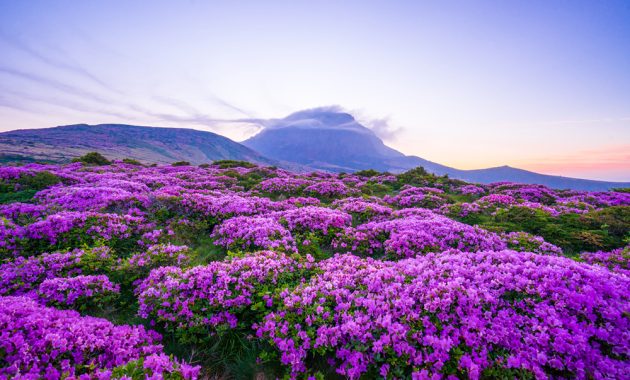
At the heart of Jeju lies Hallasan, South Korea’s tallest mountain and a dormant volcano. The national park features several hiking trails, ranging from easy walks to full-day treks to the summit.
Highlights:
- Sunrise and sunset hikes with panoramic island views
- Unique alpine flora and crater views at the top
- Accessible year-round with changing scenery every season
Jeju’s Iconic Waterfalls

Jeju boasts some of Korea’s most scenic waterfalls, perfect for a relaxing walk or stunning photo ops.
- Jeongbang Waterfall: The only waterfall in Asia that drops directly into the sea
- Cheonjiyeon Waterfall: Surrounded by lush forests and lit up at night
- Cheonjeyeon Waterfall: Known as the “Pond of Heaven” with a multi-tier cascade
Beaches for Every Mood

From quiet shores to surfer-friendly waves, Jeju has beaches for every traveler.
- Hamdeok Beach: Clear waters, white sand, and shallow swimming areas
- Jungmun Saekdal Beach: Popular with surfers and adventurers
- Hyeopjae Beach: Known for its black lava rocks and views of Biyangdo Island
Cultural Experiences on Jeju Island
Meet the Haenyeo – Jeju’s Women Divers
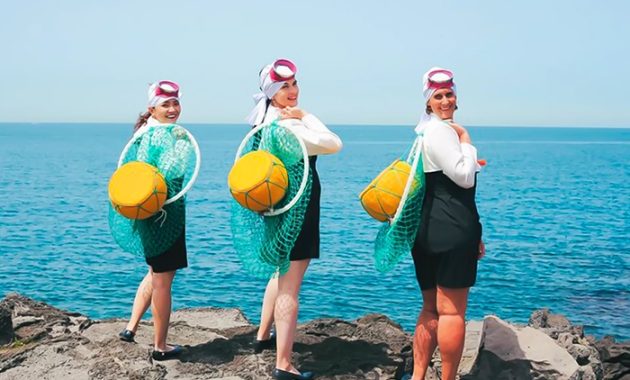
The Haenyeo, or “sea women,” are a UNESCO-recognized cultural heritage. These elderly women free-dive into the ocean to harvest seafood without scuba gear.
Where to Experience:
- Watch live diving shows at Haenyeo Museum or along Seongsan coast
- Visit traditional villages like Hado-ri to learn about their lives
- Try seafood dishes freshly caught by Haenyeo divers
Jeju Folk Village

Step back in time at the Jeju Folk Village, which recreates traditional island life during the 19th century.
What to Expect:
- Traditional thatched-roof homes
- Cultural performances and crafts
- Chance to wear hanbok or try local games
Dol Hareubang: Jeju’s Iconic Stone Grandfathers
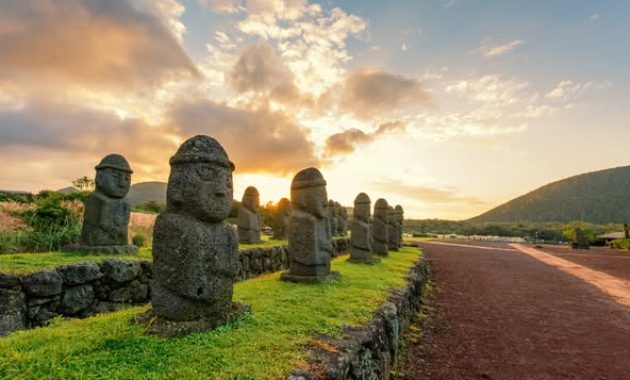
These volcanic rock statues are scattered across the island and symbolize protection and fertility.
Where to Find Them:
- Jeju Stone Park
- Village entrances and temples
- Airport welcome area (perfect for first selfies!)
Outdoor Activities & Adventures
Olle Walking Trails
The Jeju Olle Trail network covers over 400 km of coastal and inland paths.
- Choose from 26 routes with varying difficulty
- Discover quiet beaches, forests, and farms
- Great for slow travelers and nature lovers
Kayaking & Paddleboarding
Jeju’s calm bays and unique lava rock formations make for scenic water activities.
- Try kayaking in Seogwipo’s Soesokkak Estuary
- Paddleboarding at Hamdeok Beach
Cycling the Island
Jeju is a designated cycling tourism city, with a 234 km coastal bike path that circles the island.
- Bike rentals available near Jeju City and Seogwipo
- Ideal for active travelers looking for a challenge
- Stay at guesthouses along the route
Where to Stay on Jeju Island
Jeju City
Ideal for first-timers and short stays, near the airport and main transport hubs.
Highlights:
- Easy access to markets, shopping, and Hallasan
- Great for budget and mid-range hotels
- Near Dongmun Traditional Market and Jeju Folklore & Natural History Museum
Seogwipo
Located on the southern coast, it offers a more local vibe and access to many waterfalls and beaches.
Highlights:
- Walking distance to Cheonjiyeon Falls and Seogwipo Maeil Olle Market
- Ideal for honeymooners and adventure seekers
- More guesthouses and boutique stays
Jungmun Tourist Complex
A resort area in the south with luxury hotels and entertainment.
Highlights:
- Close to Teddy Bear Museum, Yeomiji Botanical Garden, and Jungmun Beach
- Upscale resorts and spas
- Family-friendly attractions
What to Eat on Jeju Island
Jeju has a unique food culture that reflects its volcanic soil, coastal location, and self-sustaining traditions.
Black Pork BBQ (Heuk Dwaeji)
Famous across Korea, this local pork is grilled over charcoal and served with dipping salt and side dishes.
Hairtail Fish Stew (Galchi Jorim)
A spicy, savory stew made with silver hairtail fish, vegetables, and gochujang.
Hallabong Oranges
These sweet, seedless citrus fruits are a Jeju specialty—available fresh, in juices, or as souvenir snacks.
Abalone Dishes
Jeju is famous for jeonbok juk (abalone porridge) and grilled or raw abalone dishes, often harvested by Haenyeo.
How to Get Around Jeju Island
Jeju doesn’t have a subway system, but getting around is relatively simple with a bit of planning.
Rent a Car
The most convenient option—especially if you want to explore remote beaches and hiking trails. GPS comes in English, and international licenses are accepted.
Public Buses
Affordable and reliable but slower and less frequent in rural areas. Use KakaoMap or Naver Map to track real-time bus routes.
Taxis
Taxis are available in urban areas and at tourist sites. You can use Kakao T for app-based hailing, but note that English may be limited.
Travel Tips for Jeju Island
- Download Naver Map or KakaoMap for accurate local navigation
- Book rental cars early—they sell out during peak travel months
- Pack layers, even in spring and summer, due to coastal breezes
- Respect Haenyeo culture—avoid interrupting their dives or taking close-up photos without permission
- Stay at least 3 nights to enjoy both the north and south coast without rushing
FAQs – Jeju Island Travel Guide
Do I need a separate visa to visit Jeju?
Most nationalities that can enter South Korea visa-free can also visit Jeju without a separate visa.
What’s the best time to visit Jeju Island?
Spring (April–June) for flowers and hiking; autumn (September–November) for clear skies and cool temps.
Can I fly directly to Jeju?
Yes! Domestic flights operate from major Korean cities, and some international flights arrive seasonally.
Is Jeju good for a honeymoon?
Absolutely. Many honeymooners enjoy the romantic coastal scenery, luxury resorts, and spa options.
How many days should I spend on Jeju?
3–5 days is ideal to cover nature spots, cultural experiences, and a few leisure days.
Is it safe to travel solo on Jeju?
Yes. Jeju is one of the safest destinations in South Korea.
Can I get by without speaking Korean in Jeju?
Mostly yes, especially in tourist zones. Translation apps help a lot.
Are there direct buses between Jeju City and Seogwipo?
Yes. Multiple bus lines operate throughout the day and take about 1 hour.
What souvenirs should I buy from Jeju?
Hallabong candies, lava stone soaps, green tea products, and Haenyeo-themed items.
Are there halal or vegetarian options in Jeju Island?
Limited, but available in Jeju City and major tourist areas.
Can I do water activities in winter in Jeju Island?
Some, like submarine tours or aquarium visits, are still available, but kayaking/paddleboarding is seasonal.
Do I need to book activities in advance?
Yes—especially for hikes, scuba diving, and popular attractions during peak season.
Final Thoughts: Your Jeju Island Escape Awaits
Jeju Island is more than just a pretty destination—it’s a world of contrasts where volcanic landscapes meet emerald seas, where centuries-old traditions live alongside modern luxury. Whether you’re an outdoor adventurer, a cultural explorer, or a relaxed beachgoer, this Jeju Island Travel Guide proves that this Korean island paradise has something for everyone.