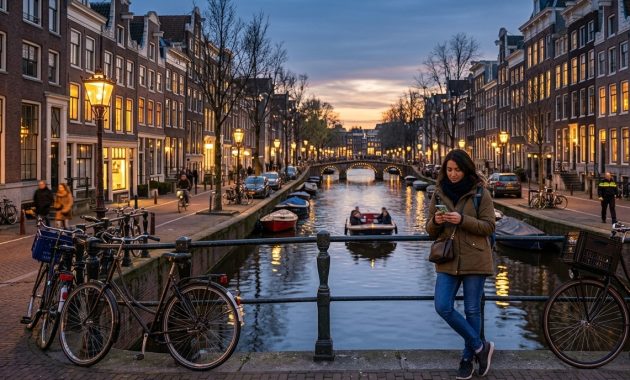
When I first visited the Netherlands, one of the things that immediately stood out wasn’t just the picturesque canals or rows of historic houses—it was how comfortable I felt walking around, even late in the evening.
Whether I was cycling through quiet neighborhoods in Utrecht, exploring the lively streets of Amsterdam, or taking late-night trains between cities, the overall atmosphere felt organized, relaxed, and welcoming.
Like any destination, however, the Netherlands isn’t completely free from risks. Petty theft, bicycle theft, and tourist scams can occur, particularly in crowded areas. Understanding these risks—and knowing how to avoid them—will help you enjoy a smooth and stress-free trip.
This comprehensive Netherlands Safety guide covers everything tourists need to know, including crime levels, common scams, transportation safety, solo travel, family travel, LGBTQ+ friendliness, emergency services, and practical safety tips.
Is the Netherlands Safe for Tourists?
The short answer is yes.
The Netherlands consistently ranks among the safest countries in Europe and is considered an excellent destination for tourists, families, solo travelers, and first-time visitors.
Reasons include:
- Low violent crime rates
- Reliable public transportation
- Excellent healthcare system
- Well-maintained infrastructure
- Friendly and helpful locals
- High level of English proficiency
Most visitors experience no safety issues during their trip.
The biggest concerns tend to involve opportunistic petty crime rather than violent incidents.
Overall Crime Levels
Serious crime affecting tourists is relatively uncommon.
The most common issues include:
- Pickpocketing
- Bicycle theft
- Bag snatching
- Phone theft
- Tourist scams
These incidents usually occur in busy tourist areas rather than residential neighborhoods.
Safest Cities for Tourists
Amsterdam
Although Amsterdam attracts the largest number of tourists—and therefore the highest number of pickpocketing incidents—it remains a very safe city overall.
Exercise extra caution around:
- Central Station
- Dam Square
- Red Light District
- Busy tram stops
- Popular museums
Utrecht
Utrecht offers a quieter atmosphere while maintaining excellent safety standards.
It’s particularly popular among:
- Couples
- Solo travelers
- Families
Rotterdam
Rotterdam is modern, vibrant, and generally safe.
As with any large city, remain aware of your belongings in nightlife districts and major transit hubs.
The Hague
Known for its international institutions and diplomatic community, The Hague is considered one of the safest major cities in the country.
Families especially appreciate its relaxed atmosphere and beaches.
Common Tourist Scams
Fortunately, scams targeting visitors are relatively limited compared to many major tourist destinations.
However, travelers should remain aware of a few common situations.
1. Pickpocketing
This is the most common issue affecting tourists.
Popular targets include:
- Trains
- Trams
- Museums
- Festivals
- Markets
- Busy shopping streets
Prevention Tips
- Keep valuables in front pockets or zipped bags.
- Avoid placing phones on café tables.
- Use anti-theft backpacks when sightseeing.
2. Bicycle Theft
The Netherlands has one of the highest bicycle theft rates in Europe—not because the country is unsafe, but because bicycles are everywhere.
If renting a bike:
- Always lock it securely.
- Use designated bicycle parking.
- Never leave it unlocked, even briefly.
3. Fake Charity Collectors
Occasionally, scammers approach tourists requesting donations.
If someone pressures you for money:
- Politely decline.
- Donate only through legitimate organizations.
4. ATM Distractions
Although uncommon, distraction techniques sometimes occur near ATMs.
Choose machines located:
- Inside banks
- Shopping centers
- Busy public areas
Cover your PIN and avoid accepting unsolicited help.
Is Amsterdam’s Red Light District Safe?
The De Wallen is one of Amsterdam’s most visited neighborhoods.
Despite its reputation, it is generally safe for tourists.
However:
- Stay alert late at night.
- Watch your belongings.
- Respect local rules.
- Never photograph workers.
- Avoid buying illegal substances.
Large crowds make pickpocketing more likely than violent crime.
Transportation Safety
One of the strengths of traveling in the Netherlands is its outstanding transportation system.
Trains
The national railway network operated by Nederlandse Spoorwegen is:
- Reliable
- Clean
- Safe
- Well-monitored
Evening train travel is generally considered safe.
Trams and Metro
Public transportation in cities is safe throughout the day.
During rush hour:
- Watch for pickpockets.
- Keep backpacks zipped.
Cycling Safety
Cycling is an unforgettable Dutch experience—but it comes with its own rules.
Safety Tips
- Stay in designated bike lanes.</li class=”pnit”>
- Follow traffic signals.
- Use lights after dark.
- Signal before turning.
- Avoid walking in bike lanes.
Tourists unfamiliar with Dutch cycling culture should ride carefully in busy city centers.
Driving Safety
Roads are well maintained.
Drivers should remember:
- Cyclists often have priority.
- Parking in city centers can be expensive.
- Speed cameras are common.
Is the Netherlands Safe for Solo Travelers?
Absolutely.
The Netherlands is consistently ranked among Europe’s best destinations for solo travel.
Solo travelers appreciate:
- Friendly locals
- Excellent transportation
- Walkable cities
- English-speaking population
Many cafés and museums are welcoming for independent travelers.
Is the Netherlands Safe for Solo Female Travelers?
Yes.
The Netherlands is widely regarded as one of Europe’s safest countries for women traveling alone.
Basic precautions still apply:
- Avoid isolated areas late at night.
- Keep friends informed of travel plans.
- Use licensed taxis or official ride services if traveling very late.
Most solo female visitors report positive experiences.
Is the Netherlands Safe for Families?
Families will find the Netherlands exceptionally welcoming.
Reasons include:
- Safe public spaces
- Excellent healthcare
- Child-friendly attractions
- Reliable transportation
- Well-maintained parks
Cities such as The Hague and Utrecht are particularly family-friendly.
LGBTQ+ Safety
The Netherlands has long been recognized as one of the world’s most LGBTQ+-friendly countries.
Visitors generally experience:
- Strong legal protections
- Inclusive communities
- Pride celebrations
- Welcoming nightlife
Major cities offer numerous LGBTQ+-friendly venues and accommodations.
The Netherlands Health & Medical Safety
Healthcare standards in the Netherlands are among the highest in Europe.
Visitors should:
- Purchase comprehensive travel insurance.
- Carry any prescription medications in original packaging.
- Know the location of nearby pharmacies if staying for an extended period.
Tap water is safe to drink throughout the country.
the Netherlands Weather-Related Safety
Dutch weather can change quickly.
Prepare for:
- Rain showers
- Strong coastal winds
- Cool evenings
Always carry:
- Waterproof jacket
- Layered clothing
- Comfortable waterproof shoes
During winter, sidewalks and bike paths may become slippery.
the Netherlands Emergency Numbers
The nationwide emergency number is:
112
Call 112 for:
- Police
- Ambulance
- Fire services
Operators generally speak English.
For non-urgent police matters, local police stations can also provide assistance.
the Netherlands Natural Hazards
The Netherlands experiences relatively few natural disasters.
The main considerations include:
- Strong coastal winds
- Heavy rain
- Localized flooding in rare circumstances
The country’s advanced flood management system makes major flooding uncommon.
the Netherlands Food & Water Safety
Travelers can confidently enjoy Dutch cuisine.
Food safety standards are excellent.
Tap water is among the cleanest in Europe, making bottled water unnecessary in most locations.
Digital & Payment Safety at the Netherlands
The Netherlands is a highly cashless society.
Most businesses accept:
- Credit cards
- Debit cards
- Contactless payments
- Mobile wallets
To stay secure:
- Use official ATMs.
- Avoid public Wi-Fi for banking.
- Enable transaction notifications on your bank cards.
Essential Safety Tips for Tourists at the Netherlands
Stay Aware in Crowded Areas
Tourist attractions, festivals, and train stations are the most common locations for petty theft.
Secure Your Bicycle
Always use high-quality locks and designated parking areas.
Respect Cycling Infrastructure
Never walk in bike lanes without checking for approaching cyclists.
Keep Digital Copies of Documents
Store copies of:
- Passport
- Travel insurance
- Flight bookings
- Hotel confirmations
Secure cloud storage can be invaluable if originals are lost.
Purchase Travel Insurance
Although healthcare is excellent, travel insurance helps cover unexpected medical costs, cancellations, or lost luggage.
Learn a Few Dutch Phrases
While English is widely spoken, simple greetings like “Hallo” and “Dank je wel” are appreciated and can enhance interactions with locals.
Sample Daily Safety Checklist
Before leaving your accommodation each day:
- Carry only the cash you need.
- Keep your passport in a secure location if not required.
- Charge your phone fully.
- Check the weather forecast.
- Lock rental bicycles properly.
- Keep emergency contact information accessible.
FAQs – Netherlands Safety
Is the Netherlands safe for tourists?
Yes, it is one of Europe’s safest destinations.
Is Amsterdam safe at night?
Generally yes, especially in busy areas, though it’s wise to stay alert and protect your belongings.
What is the biggest safety concern in the Netherlands?
Petty theft such as pickpocketing.
Is the Netherlands public transportation safe?
Yes, trains, trams, buses, and metros are considered very safe.
Can I drink tap water in the Netherlands?
Yes, throughout the Netherlands.
Is cycling safe in the Netherlands?
Yes, provided you follow local cycling rules.
Is the Red Light District dangerous?
Not generally, but stay aware of crowds and respect local regulations.
Is the Netherlands safe for solo female travelers?
Yes, it is widely considered one of Europe’s safest destinations for women traveling alone.
What emergency number should I call in the Netherlands?
Dial 112 for emergencies.
Are credit cards widely accepted in the Netherlands?
Yes, although some smaller businesses may prefer debit cards or local payment methods.
Should I buy travel insurance for the Netherlands?
Yes, it is strongly recommended.
Is violent crime common in the Netherlands?
No. Most tourist-related incidents involve petty theft rather than violent crime.
Final Verdict: Is the Netherlands Safe?
Overall, Netherlands Safety is one of the country’s greatest strengths. With low levels of violent crime, excellent public transportation, reliable healthcare, and welcoming cities, the Netherlands is an outstanding destination for first-time visitors, solo travelers, couples, and families alike.
By taking simple precautions—such as protecting your valuables in crowded places, respecting local cycling rules, and purchasing travel insurance—you can explore everything from Amsterdam’s historic canals to Rotterdam’s modern skyline and the peaceful Dutch countryside with confidence.
For most travelers, the Netherlands is not only safe but also one of the easiest and most enjoyable countries in Europe to visit.