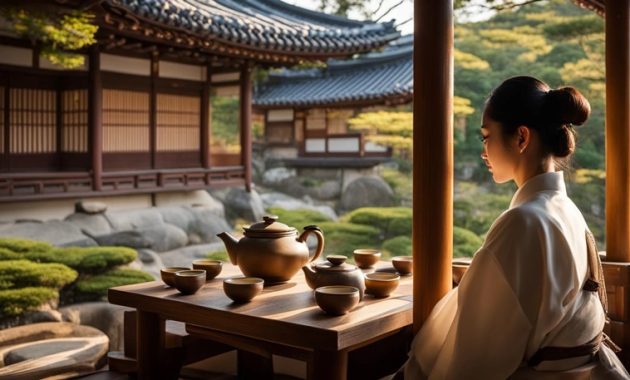
South Korea’s bustling cities and futuristic skylines are balanced by moments of quiet tradition, especially when it comes to tea culture. Rooted in centuries-old rituals and Buddhist influence, Korean tea culture emphasizes mindfulness, natural flavors, and peaceful ambiance. Whether you’re a tea lover or a curious traveler, this Korean Tea House Guide will immerse you in the art of Korean tea and show you where to sip it best—from ancient palaces to trendy modern cafés.
A Brief History of Korean Tea Culture
Tea has been part of Korean life for over 1,000 years, initially introduced during the Three Kingdoms period and deeply influenced by Buddhist practices. Unlike the formal Japanese tea ceremony, Korean tea ceremonies (Darye) are simpler, focused on natural harmony and respect between host and guest.
Historically, tea was served in temples and royal courts using delicate cups and earthy ceramic ware. Over time, tea culture spread to scholars and nobles, and today it’s experiencing a revival among younger generations seeking calm in modern life.
Popular Traditional Korean Teas to Try
Korea’s tea offerings go far beyond green tea. Here are the top varieties to look for:
1. Nokcha (녹차) – Green Tea
Often sourced from Boseong or Hadong, Korean green tea is known for its clean, grassy flavor. Try Jakseol-cha, a spring-harvested type.
2. Omija-cha (오미자차) – Five-Flavor Berry Tea
Made from magnolia berries, it balances sweet, sour, salty, bitter, and pungent flavors. Served hot or cold.
3. Yuja-cha (유자차) – Citron Tea
A thick, honeyed tea made with yuja citrus peel. Commonly enjoyed in winter to soothe colds.
4. Maesil-cha (매실차) – Plum Tea
Sweet and tangy, brewed from preserved green plums. Often served chilled in summer.
5. Ginger Tea (Saenggang-cha 생강차)
A warming tea made from sliced ginger and honey. Known for its medicinal benefits.
6. Bori-cha (보리차) – Roasted Barley Tea
Served in homes and restaurants as a daily drink. Caffeine-free with a nutty aroma.
7. Hyeonmi-cha (현미차) – Brown Rice Tea
Made from roasted brown rice, often blended with green tea. Light and toasty.
Korean Tea Ceremony: The Art of Darye
While modern Koreans often drink tea casually, the Darye (다례) or “etiquette for tea” still survives in cultural performances and some tea houses.
What to Expect:
- Calm Setting: A serene, minimalistic room with traditional décor.
- Handcrafted Teaware: Pottery with earthy textures and glazes.
- Step-by-Step Brewing: The host carefully warms the pot, adds loose-leaf tea, and serves guests in small cups.
- Mindfulness: It’s not just about drinking tea, but appreciating its aroma, taste, and the people around you.
Korean Tea House Guide : Top Korean Tea Houses You Should Visit
Here are the best tea houses across South Korea that beautifully blend tradition, ambiance, and unforgettable tea:
1. Dawon Traditional Tea Garden – Seoul (Insadong)
Why Go: Located inside the Kyung-in Museum of Fine Art, Dawon offers a tranquil setting among traditional hanok architecture. Enjoy tea surrounded by art and nature.
Must Try: Omija-cha with traditional rice cakes (tteok).
2. Tteuran – Seoul (Ikseon-dong)
Why Go: A hidden gem in a restored hanok with a serene courtyard. Popular with both locals and tourists.
Must Try: Yuja-cha with their signature handmade walnut cookies.
3. Suyeonsanbang – Seoul (Seongbuk-dong)
Why Go: Once the home of a Korean novelist, this charming teahouse overlooks a quiet garden and offers a nostalgic literary vibe.
Must Try: Green tea or jujube tea with steamed rice cakes.
4. Hwagae Market Teahouses – Hadong, Gyeongsang Province
Why Go: Hadong is known for its high-quality nokcha. Small local tea houses near the Hwagae Market and Ssanggye Temple offer regional specialties.
Must Try: Hadong green tea and herbal blends.
5. Boseong Tea Fields – Jeollanam-do
Why Go: Korea’s most famous tea plantation with panoramic views. Enjoy tea tastings in the on-site cafes after touring the terraced fields.
Must Try: Boseong green tea ice cream and cold brewed tea.
6. Tea Therapy – Seoul (Bukchon Hanok Village)
Why Go: A modern teahouse that doubles as a wellness studio. They offer tea blending classes and foot baths too.
Must Try: Custom herbal tea blends based on your mood or health.
7. Hwagaejangteo Teahouse – Jeonju Hanok Village
Why Go: Embracing traditional vibes with modern comforts, this cozy teahouse is perfect after exploring Jeonju’s cultural sites.
Must Try: Maesil-cha with sweet red bean snacks.
Tips for Visiting a Korean Tea House
- Take Your Time: Don’t rush. Enjoy the calming atmosphere and the subtle flavors.
- Ask for Recommendations: Staff often suggest teas based on your preferences.
- Pair with Snacks: Traditional tea snacks like yakgwa (honey cookies) or dasik (pressed rice sweets) elevate the experience.
- Respect the Space: Many tea houses value quiet, reflective environments.
- Check for Workshops: Some offer tea ceremonies or pottery-making classes.
Best Cities to Explore Korean Tea Culture
| City | Highlight | Why Visit |
|---|---|---|
| Seoul | Insadong, Bukchon | Numerous hanok-style teahouses & cultural performances |
| Jeonju | Hanok Village | Blend of food, history, and traditional tea |
| Hadong | Ssanggye Temple | Ancient tea cultivation and Buddhist roots |
| Boseong | Tea Plantation | Lush green hills and hands-on tea experiences |
| Gyeongju | Traditional Cafes | Historical ambiance with tea ceremonies |
FAQs – Korean Tea House Guide
Is Korean tea culture different from Japanese or Chinese?
Yes. Korean tea culture is simpler and more nature-focused than the Japanese ceremonial style and less commercialized than China’s.
Do Korean tea houses serve food?
Some serve light traditional snacks, but not full meals.
Can I attend a tea ceremony?
Yes, many tea houses in Seoul and Jeonju offer cultural programs including Darye.
Are Korean teas caffeinated?
Green tea and some herbal teas are, but many like bori-cha or maesil-cha are caffeine-free.
Can I buy Korean tea as a souvenir?
Absolutely. Most tea houses sell loose-leaf teas and gift sets.
Is it okay to take photos inside Korean tea houses?
Usually, yes—but always ask first, especially in quiet or ceremonial settings.
What should I wear to a Korean tea house?
Casual, respectful attire is fine. Some hanok tea houses offer hanbok rentals for a full experience.
Are Korean tea houses expensive?
Prices range from ₩5,000–₩12,000 per cup. More for premium or ceremonial teas.
Are reservations needed on Korean Tea Houses?
Not always, but they’re recommended for popular spots on weekends.
Korean Tea House Guide : Can I find vegan options?
Most teas are naturally vegan. Some snacks may contain honey or egg, so it’s best to ask.
Are Korean tea houses kid-friendly?
Quiet teahouses may not suit small children, but modern cafés usually are.
Do Korean tea houses offer tea blending workshops?
Yes. Tea Therapy in Seoul and some Boseong locations offer classes.
Final Thought
Exploring Korea through its tea houses is a beautiful way to slow down and connect with the country’s deep cultural roots. Whether you’re sipping yuja-cha in a quiet hanok in Bukchon or learning about green tea in Boseong’s fields, this Korean Tea House Guide helps you experience a more tranquil side of South Korea. Take a sip, unwind, and let Korea’s ancient tea traditions soothe your journey.