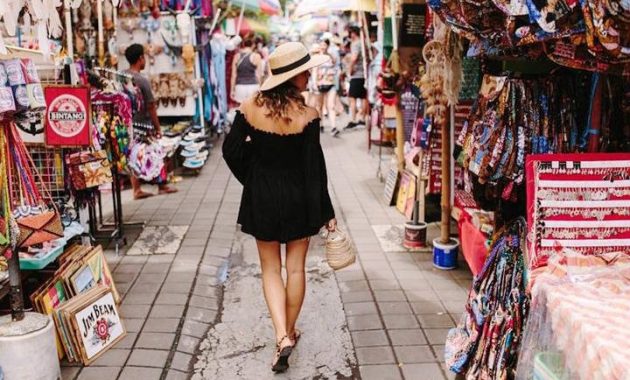
Why Shop at Traditional Markets in Bali?
Bali is not only famous for its beaches and temples but also for its vibrant traditional markets. Visiting these bustling marketplaces is a cultural experience where you can find everything from handmade crafts and textiles to fresh produce and souvenirs. Unlike malls or modern shops, traditional markets let you experience the true spirit of Balinese life — bargaining, friendly interactions with locals, and unique items you won’t find anywhere else. This Bali Shopping Guide will take you through the island’s best traditional markets and what makes each one special.
Best Traditional Markets in Bali
1. Ubud Art Market (Pasar Seni Ubud)
Located in the heart of Ubud, this market is famous for handicrafts, art pieces, wood carvings, silk scarves, and handmade bags. It’s one of the most popular markets for tourists and the best place to shop for authentic Balinese art.
2. Kuta Art Market
Situated near Kuta Beach, this small but lively market is packed with souvenirs, beachwear, T-shirts, sarongs, and trinkets. It’s perfect if you’re staying in the Kuta area and looking for affordable keepsakes.
3. Sukawati Art Market
One of the oldest and most well-known markets in Bali, Sukawati is famous for traditional paintings, batik fabrics, wooden statues, and ceremonial items. Prices here are generally lower compared to Ubud, but bargaining is essential.
4. Gianyar Night Market (Pasar Malam Gianyar)
More than just a shopping spot, this market is a food lover’s paradise. Aside from souvenirs, it’s the place to sample Balinese street food, from satay to fried snacks, while experiencing a lively local atmosphere.
5. Badung Market (Pasar Badung)
Located in Denpasar, this is the largest traditional market in Bali. It’s where locals shop for fresh produce, spices, and household goods. Tourists can explore the second and third floors for fabrics, kitchenware, and Balinese offerings.
6. Kumbasari Art Market
Across from Badung Market, this market specializes in handicrafts, paintings, and sculptures. It’s a great place to find unique decorative items for your home.
7. Sanur Night Market (Pasar Malam Sindhu)
A smaller market known for its street food and relaxed atmosphere. While it’s not as big on souvenirs, you’ll still find sarongs, small trinkets, and a variety of local snacks.
Top 10 Souvenirs to Buy in Bali
When shopping in Bali, these are the must-buy souvenirs that truly capture the island’s culture and artistry:
Batik Fabrics & Clothing
Hand-dyed fabrics with intricate patterns. Perfect as sarongs, shirts, or wall hangings. Each design often has symbolic meaning.Wood Carvings
From miniature sculptures to elaborate furniture, Bali’s wood carvings reflect deep spiritual and cultural artistry.Balinese Paintings
Ubud and Sukawati markets are famous for traditional and modern Balinese paintings that make meaningful keepsakes.Silver Jewelry
Celuk Village is Bali’s silver hub. Unique, handcrafted rings, bracelets, and pendants make great wearable souvenirs.Handmade Bags (Ata & Rattan)
Round rattan bags and woven Ata grass purses are stylish, durable, and globally popular as Bali souvenirs.Balinese Masks
Traditionally used in rituals and dances, these colorful masks are both decorative and symbolic.Aromatherapy & Spa Products
Essential oils, natural soaps, incense, and scrubs are great to bring home the relaxing vibe of Bali.Local Coffee & Spices
Try kopi Bali (Balinese coffee) or the world-famous kopi luwak. Markets like Badung are also perfect for buying cloves, cinnamon, and turmeric.Ceremonial Offerings & Mini Temple Decor
Mini versions of offerings (canang sari) and small statues allow travelers to take home a piece of Bali’s spiritual culture.Traditional Balinese Clothing
Items like kebaya (blouses), udeng (headwear), or sarongs make authentic cultural keepsakes and are useful for temple visits.
Tips for Shopping at Traditional Markets in Bali
- Bargain politely: Negotiating is expected but always do it with a smile.
- Shop early: Mornings are less crowded and you’ll often get better deals.
- Carry cash: Many vendors don’t accept cards, so bring small notes.
- Compare prices: Don’t buy at the first stall — browse a few before deciding.
- Check quality: Especially for textiles, paintings, and wooden crafts.
FAQs About Bali Shopping Guide
Are prices fixed in Bali’s traditional markets?
No, bargaining is common, especially for handicrafts and souvenirs.
What souvenirs are unique to Bali?
Wood carvings, batik fabrics, silver jewelry, Balinese paintings, and handmade bags.
Is it cheaper to shop in Ubud or Kuta?
Sukawati and Gianyar markets tend to have cheaper prices than Ubud and Kuta.
Can I use credit cards in Bali markets?
Most stalls accept cash only, so carry Indonesian Rupiah.
What’s the best time to shop in Bali markets?
Morning for better deals, evening for night market vibes.
How much should I bargain?
Start by offering around 50% of the asking price, then negotiate to a fair amount.
Are Bali’s traditional markets safe?
Yes, but always keep an eye on your belongings in crowded areas.
Can I buy spices in Bali markets?
Yes, Badung Market is especially great for buying local spices and coffee.
Do Bali markets sell genuine silver jewelry?
Yes, but buy from trusted vendors or markets in Celuk Village for authenticity.
Are the souvenirs handmade?
Many are, especially in Ubud and Sukawati, but some items may be factory-made.
Do vendors speak English at Bali’s Traditional Market?
Basic English is common in tourist-heavy markets, but a smile and gestures work too.
Can I ship large items home?
Yes, many shops and stalls offer international shipping for bulky items.
Verdict: A Shopper’s Paradise in Bali
Traditional markets are more than just places to buy souvenirs; they’re windows into Balinese culture and daily life. From art markets in Ubud to bustling night markets in Gianyar, every stop offers something unique.
If you want to bring home a piece of Bali — whether it’s a handmade sarong, wooden carving, or silver jewelry — these markets are the best places to shop. This Bali Shopping Guide proves that the real treasures of Bali aren’t just found in its temples and beaches, but also in its vibrant markets.