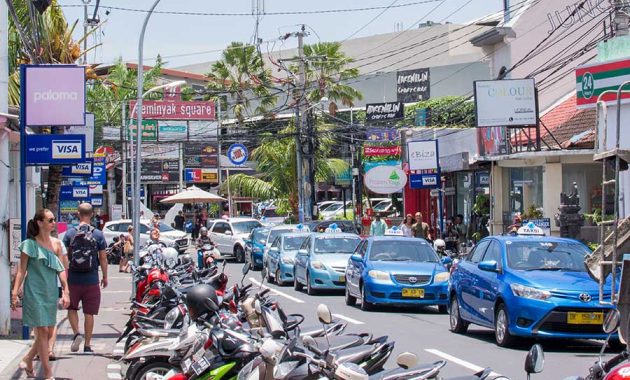
Bali is a tropical paradise filled with beaches, temples, rice terraces, and cultural attractions. But while the island may look small on the map, getting around can be tricky due to traffic, narrow roads, and limited public transport. That’s why understanding Bali transportation options is essential for planning your trip.
From scooters and private drivers to taxis and ride-hailing apps, each option has its advantages depending on your budget, comfort level, and itinerary. This guide will help you choose the best way to explore Bali with ease.
Popular Bali Transportation Options
1. Scooter & Motorbike Rentals
- Best for: Independent travelers, budget-friendly exploration, short distances.
- Details: Scooters are the most popular mode of transport in Bali. Rental costs are affordable (around IDR 60,000–100,000 per day).
- Things to Note: Always wear a helmet, have a valid international driving permit, and be cautious in heavy traffic.
2. Taxis
- Best for: Short trips in towns like Kuta, Seminyak, and Ubud.
- Details: Blue Bird taxis are reliable and metered, unlike many private taxis that charge fixed rates.
- Tip: Download the Blue Bird app to avoid haggling.
3. Ride-Hailing Apps (Grab & Gojek)
- Best for: Affordable and convenient rides, especially in urban areas.
- Details: These apps work like Uber and offer motorbike taxis (ojek), cars, and even food delivery.
- Limitations: Some tourist areas restrict app-based drivers, so availability may vary.
4. Car Rentals
- Best for: Families, groups, or travelers exploring remote areas.
- Options: Rent self-drive cars or hire a car with a driver.
- Recommendation: Hiring a driver is common and stress-free since locals know the roads and traffic conditions well.
5. Private Drivers & Day Tours
- Best for: Flexible itineraries and full-day sightseeing.
- Details: Many tourists hire private drivers for day trips (rates from IDR 500,000–800,000 per day).
- Advantage: Drivers often double as guides, sharing local insights and hidden gems.
6. Bemos (Local Minibuses)
- Best for: Very budget travelers and cultural experience.
- Details: These minibuses run short routes between towns but can be confusing and uncomfortable for tourists.
- Tip: Not recommended unless you want an authentic local ride.
7. Shuttle Buses
- Best for: Backpackers and solo travelers.
- Details: Companies like Kura-Kura Bus connect popular tourist areas such as Kuta, Seminyak, Ubud, and Nusa Dua. Affordable but less flexible.
8. Bicycles & E-Bikes
- Best for: Eco-friendly travelers and exploring villages.
- Details: Ubud and surrounding rice terraces are great for cycling. E-bike tours are also becoming popular.
Tips for Getting Around Bali Safely
- Always check Google Maps or ask locals about travel times — traffic can double your journey.
- Avoid driving late at night unless you’re experienced.
- Be mindful of scams: agree on taxi fares before the ride if there’s no meter.
- If renting a scooter or car, take photos of existing damage before use.
- Keep small change handy for parking fees at beaches, temples, and markets.
Sample 5-Day Bali Transportation Plan
Here’s a practical example of how to get around Bali using different transport options, depending on your itinerary.
Day 1: Arrival in Bali – Kuta or Seminyak
- Transport Option: Pre-booked airport transfer or Blue Bird taxi.
- Why: Avoid haggling at Ngurah Rai Airport and get straight to your hotel.
- Evening: Explore Kuta/Seminyak on foot or use Grab/Gojek for short rides.
Day 2: Ubud & Surroundings
- Transport Option: Private driver for a full-day tour.
- Why: Ubud attractions like Tegallalang Rice Terraces, Monkey Forest, and Tirta Empul Temple are spread out. A driver saves time and knows the best routes.
- Evening: Walk around Ubud town center (compact and pedestrian-friendly).
Day 3: Central Bali Adventure
- Transport Option: Scooter rental or private driver.
- Why: If you’re confident, a scooter is perfect for visiting waterfalls (Tibumana, Tegenungan) and rice terraces at your own pace. Otherwise, hire a driver.
- Evening: Enjoy a cultural show in Ubud — walk or take a short Grab ride.
Day 4: Nusa Dua & Southern Bali
- Transport Option: Car rental with driver.
- Why: Attractions like Uluwatu Temple, Padang Padang Beach, and Jimbaran Bay are best covered in one day with a driver. Traffic in South Bali can be heavy, so let locals handle it.
- Evening: Stay in Nusa Dua or return to Seminyak/Kuta.
Day 5: Leisure & Departure
- Morning: Use Grab/Gojek for last-minute shopping in Seminyak or Denpasar.
- Afternoon: Pre-arrange your airport transfer or use Blue Bird taxi to Ngurah Rai Airport.
- Tip: Always leave early for the airport (2–3 hours before flight) because traffic can be unpredictable.
FAQs About Bali Transportation
Is public transport available in Bali?
Public buses are very limited; most tourists use scooters, taxis, or private drivers.
Do I need an international driving license to rent a scooter?
Yes, you need an international driving permit (IDP) along with your home country’s license.
How much does it cost to hire a private driver in Bali?
Typically IDR 500,000–800,000 per day, depending on distance and itinerary.
Is it safe to ride a scooter in Bali?
Yes, but only if you are experienced. Roads can be busy and chaotic. Always wear a helmet.
Are ride-hailing apps like Grab and Gojek reliable in Bali?
Yes, but some areas restrict them. In tourist zones, you may need taxis or private drivers.
Can I cycle around Bali?
Yes, especially in Ubud and rural areas. Avoid highways and heavy traffic zones.
What’s the cheapest transport option in Bali?
Scooter rentals or ride-hailing motorbike taxis (ojek).
Is Bali walkable?
Certain areas like Ubud center and Seminyak are walkable, but most destinations require transport.
Can I book transport in advance?
Yes, many drivers, shuttles, and tours can be booked online before arrival.
Are there traffic rules I should be aware of?
Drive on the left side. Police may stop tourists without helmets or valid licenses.
Do taxis accept credit cards in Bali?
Most don’t. Carry cash in Indonesian Rupiah.
How long does it take to get around the island?
Bali looks small but travel times are long — e.g., Kuta to Ubud takes 1.5–2 hours due to traffic.
Verdict: Choosing the Right Bali Transportation
Getting around Bali isn’t one-size-fits-all. Scooters are great for adventurous solo travelers, while families may prefer private drivers or car rentals. For convenience, ride-hailing apps and taxis work well in busy areas.
By understanding the different Bali transportation options, you can explore the island safely and comfortably, making the most of your tropical getaway.