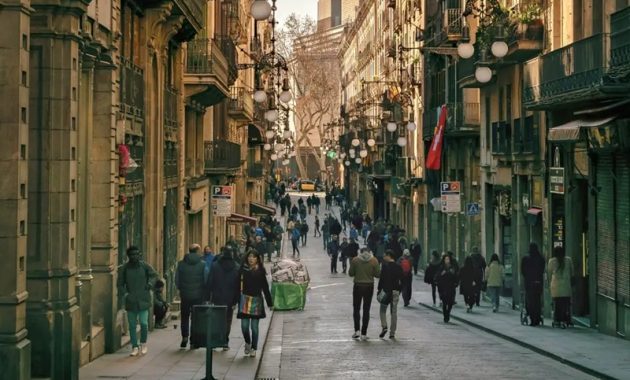
Stepping Through Centuries in Barcelona’s Gothic Core
The first time I wandered into the maze of narrow alleys in the Gothic Quarter, the world felt older, slower — as if time had paused between crumbling stone walls and sunlit archways. Each cobblestone seemed to whisper stories of Romans, medieval traders, and artists. As evening crept in, lanterns flickered, and the scent of tapas and history mingled in the air. If you visit Barcelona without walking through its Gothic Quarter, you’re missing the city’s soul. This Gothic Quarter Guide will help you navigate its secrets — from majestic cathedrals to quiet squares, hidden Roman ruins to lively tapas corners — so you can absorb its magic without missing a beat.
Why the Gothic Quarter Is Barcelona’s Heart
- It’s the oldest part of the city, layered with Roman, medieval, Jewish, and modern history
- Narrow alleys, historic stone buildings and hidden plazas create a unique intimate atmosphere — unlike modern city streets.
- It blends architecture, history, culture, shopping, food and nightlife — all within walking distance.
Top Attractions & Must-See Spots in the Gothic Quarter
The Barcelona Cathedral (La Seu)
- A towering Gothic masterpiece built between the 13th–15th centuries, with soaring arches, chapels, and a serene cloister.
- Climb up for panoramic views of terracotta roofs and winding alleys — one of the best vantage points in the Gothic Quarter.
Pont del Bisbe & Carrer del Bisbe
- A photogenic neo-Gothic bridge crossing a narrow medieval street — often the “iconic image” of the Gothic Quarter.
- Visit early morning or late evening for dreamy light and fewer crowds — ideal for photos and avoiding the rush.
Plaça del Rei & the Museum of Barcelona History (MUHBA)
- A quiet medieval square surrounded by historic palaces — including the former royal residence.
- Underneath lies the Roman ruins of ancient Barcino — old streets, baths, and homes preserved beneath modern Barcelona.
Plaça Sant Jaume — Political & Civic Heart
- The seat of both the city’s government and Catalonia’s regional government, this plaza blends medieval architecture with present-day vibrancy.
- Great starting/ending point for exploring the Quarter by foot.
Plaça Sant Felip Neri — A Quiet, Haunting Gem
- A small, peaceful square marked by wall scars from wartime bombings — a poignant reminder of Barcelona’s past.
- Perfect for a moment of reflection away from the tourist hustle.
Basilica Santa Maria del Pi & Plaza del Pi
- A 14th-century Gothic basilica known for its massive rose window and soaring interior.
- The surrounding square often hosts art markets and crafts — a good stop for souvenirs.
Streets of the Old Jewish Quarter (El Call)
Hidden alleys leading to ancient synagogues, medieval houses, and quiet charm — a window into Barcelona’s multi-layered past.
Hidden Roman Walls & Ancient Columns
Scattered ruins and bits of old city walls still visible — a tangible connection to Barcelona’s origins under Roman rule.
Nightlife, Tapas & Local Culture by Moonlight
As night falls, the Gothic Quarter transforms. Lantern-lit squares and narrow alleys fill with tapas bars, music, and local energy. Great for dinner or a late stroll.
How to Navigate the Gothic Quarter
- Best explored on foot, because narrow lanes and pedestrian-only zones make cars impractical.
- Arrive early morning or late afternoon — perfect light + fewer tourists.
- Bring a map or use offline map — easy to get lost (in the best way).
When to Visit Gothic Quarter — Best Times & Seasons
Spring (April–June)
Mild weather, blooming balconies, perfect for wandering. Schools out — but crowds are manageable.
Autumn (September–November)
Golden light, romantic sunsets, fewer tourists, perfect for photos.
Morning or Late Afternoon
Early light or golden hour — best for peaceful walks, open-air cafés, and dreamy photos.
Night-time Ambiance
From 8 PM onward the quarter pulses with energy — locals, music, tapas, and lantern-lit streets.
Where to Eat, Drink & Shop in the Gothic Quarter
Tapas & Local Bars
- Try patatas bravas, bombas, croquetas — many bars are centuries old.
- Don’t miss a classic vermut or a cold cava on a warm evening.
Cafés & Sweet Treats
Small pastry shops serving churros con chocolate or ice-cold horchata — especially welcome after a day’s walk.
Boutiques & Artisan Shops
Hand-made leather bags, vinyl record stores, vintage clothing, and indie bookstores.
Great places to find unique souvenirs not sold elsewhere.
Safety & Smart Visiting Tips
- Keep your bag zipped and in front of you — the area is touristy, so petty theft can happen
- Stay alert after midnight — avoid poorly lit alleyways
- Watch out for pickpockets near big plazas like Plaça Reial or Ramblas border
- Prefer well-lit and populated bars if you dine late
- Keep ID copies in a separate spot from your passport
This Gothic Quarter Guide wants you to enjoy the charm — but also stay smart and safe.
What to Do + Local Tips for Visiting
- Combine sites wisely — cathedral, Plaça del Rei & MUHBA, then wander through El Call and hidden alleys.
- Pause for tapas and drinks — many excellent local bars hidden off main tourist tracks.
- Respect places of worship — modest clothing, quiet inside churches.
- Go with the flow — allow time to get lost; magical historic corners often appear unexpectedly.
FAQs — Gothic Quarter Guide
Is the Gothic Quarter worth visiting?
Absolutely — it’s Barcelona’s historic heart, full of layered history, beautiful architecture, and vibrant energy.
How many days are enough to explore it?
You can see major highlights in 1 full day, but 2–3 days let you wander slowly, discover hidden corners, and soak in the ambiance.
Can I walk everywhere safely?
Yes, walking is the best way. Streets are mostly pedestrian — but stay aware of your belongings as crowded alleys may attract pickpockets.
When is the best time to visit the Quarter?
Early morning or late afternoon — ideal lighting, few crowds, peaceful strolls.
Are there guided tours available?
Yes — many local tours (historical walks, Gothic architecture, Jewish heritage) offer deeper context.
Can I visit Roman ruins there?
Yes — beneath Plaça del Rei, you’ll find the archaeological site of ancient Barcino.
Is it good for nightlife or dinner?
Yes — the Quarter hosts many tapas bars, cozy cafés, and late-night spots, especially around Plaça Reial, El Call, and near the Cathedral.
What neighborhoods connect to Gothic Quarter?
La Rambla (to the south), El Born / El Raval (nearby), and the waterfront/Port Vell are within walking distance.
Is Gothic Quarter suitable for families or kids?
Yes — narrow alleys, plazas, historic sites, and streets are walkable; just take care of pickpockets and crowded areas.
Where to get good souvenirs and crafts?
El Call and side alleys offer artisanal shops; also check small boutiques near Plaza del Pi / Basilica Santa Maria del Pi.
Is there a problem with crime or safety?
The area is overall safe, but pickpockets operate in crowded alleys — keep bags secure and avoid isolated dark streets at night.
Can I visit early (before shops open)?
Yes — the Quarter is peaceful at sunrise, great for photos and quiet walks.
Is it expensive to stay in Gothic Quarter?
Accommodation can be pricy due to location and popularity; cheaper options exist but book early.
Final Verdict: Why the Gothic Quarter Is Barcelona’s Heart & Soul
The Gothic Quarter isn’t a collection of monuments — it’s a living history book. Every stone street, every hidden plaza, every echo in an archway carries centuries of stories: Roman foundations, medieval whispers, Jewish heritage, modern hustle, and nightly laughter over tapas.
If you visit Barcelona and skip the Gothic Quarter, you miss its core — its spirit. This Gothic Quarter Guide shows you the map, but the real magic happens when you wander without plan, listen for old ghosts and new footsteps, sip a cold drink at twilight, and let yourself get beautifully lost in time.