
The first time I wandered into a Spanish pastelería, I felt as if I’d stepped into a warm, sugary dream. Glass displays shimmered with golden pastries, creamy custards, airy cakes, and treats I couldn’t even pronounce yet. The shop smelled like toasted sugar and butter, and the woman behind the counter smiled as if she knew I was about to fall in love with Spanish desserts. From classic Madrid churros to the creamy Basque cheesecake of San Sebastián, this Spain Dessert Guide will take you on a delicious journey through the country’s most iconic sweets—where they come from, what they taste like, and where to find the very best versions.
Whether you’re a sweet-toothed traveler or simply curious, these are the desserts you cannot leave Spain without trying.
1. Churros con Chocolate – The Ultimate Spanish Classic

Churros are the heartbeat of Spanish mornings and late-night cravings.
What It Is:
Long, crispy dough sticks fried until golden and dusted lightly with sugar.
Why Travelers Love It:
Thick, velvety Spanish hot chocolate—more pudding than drink—perfect for dipping.
Where to Try It:
- San Ginés (Madrid) – Legendary spot for churros since 1894
- Local bars across Spain, especially early mornings
Tip: Order porras if you want a thicker, fluffier version.
2. Flan – Silky, Simple, Classic

What It Is:
Caramel custard made with eggs, milk, and sugar.
Flavor:
Smooth, creamy, and delicately sweet with a glossy caramel top.
Where to Try It:
- Traditional restaurants offering menu del día
- Homemade versions in small-town taverns are the best
3. Crema Catalana – Spain’s Answer to Crème Brûlée

What It Is:
A creamy custard topped with burnt caramel, flavored with cinnamon and lemon zest.
Taste Profile:
Lighter than crème brûlée, more citrusy, subtly spiced.
Region:
Catalonia, especially Barcelona.
Where to Try:
- Can Solé (Barcelona)
- Els 4 Gats (Barcelona)
4. Basque Burnt Cheesecake – The Modern Icon

If there’s one dessert taking the world by storm, it’s this one.
What It Is:
A crustless cheesecake baked at high heat, developing a caramelized top and lava-soft center.
Flavor:
Rich, creamy, slightly smoky, and incredibly addictive.
Origin:
La Viña, in San Sebastián.
Where to Try:
- La Viña (San Sebastián) – The original
- Specialty bakeries nationwide now serve their version
5. Tarta de Santiago – Almond Cake from Galicia
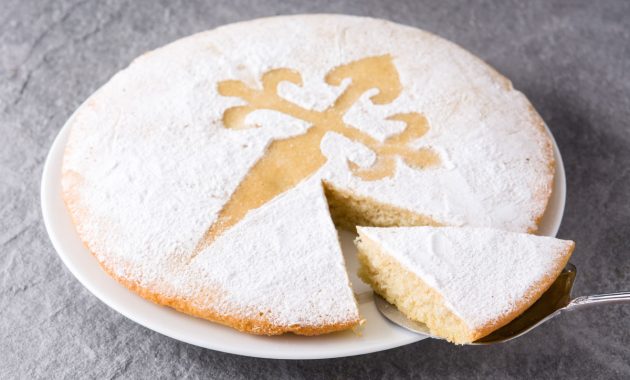
What It Is:
Moist almond cake typically topped with powdered sugar and the cross of St. James stencil.
Flavor:
Nutty, fragrant, naturally gluten-free.
Where It’s From:
Santiago de Compostela, Galicia.
Best Spots:
- Old-town pastelerías in Santiago
- Pilgrim cafés along the Camino de Santiago
6. Ensaimada – Soft & Airy Mallorcan Pastry

What It Is:
A beautifully coiled pastry dusted with powdered sugar. Flaky yet soft.
Variations:
- Classic (plain)
- Cabello de ángel (pumpkin threads)
- Cream-filled
- Chocolate-filled
Where to Try It:
- Palma de Mallorca bakeries
- Horno de Santo Cristo (Palma)
7. Torrijas – Spain’s Easter Sweet

What It Is:
Spanish-style French toast made with milk-soaked bread, fried, and rolled in cinnamon sugar.
Taste:
Comforting, warm, and fragrant.
Available:
Mostly during Semana Santa (Holy Week), though some bakeries sell it year-round.
8. Polvorones & Mantecados – Andalusian Crumbly Cookies

What They Are:
Shortbread-like Christmas cookies that crumble instantly.
Flavors:
Almond, lemon, cinnamon, cocoa, sesame.
Best Region:
Andalusia, especially Estepa.
9. Leche Frita – Fried Milk Custard

Yes, fried milk. Trust me—delicious.
What It Is:
Chilled milk-and-flour custard slices, coated in batter and fried.
Taste:
Crispy outside, silky inside, dusted with sugar and cinnamon.
Where to Try:
Northern Spain—Asturias, Cantabria, Basque Country.
10. Buñuelos – Hollow Fritters of Joy

What They Are:
Light, airy fried dough balls often filled with pastry cream, chocolate, or whipped cream.
Best Time:
All Saints’ Day and fall festivals.
Where to Find Them:
Street stalls, bakeries, and local fairs.
11. Piononos – Granada’s Sweet Roll

What It Is:
Small cylindrical pastries made of moist sponge cake rolled with cream, topped with caramelized sugar.
Taste:
Soft, sweet, aromatic—small but incredibly satisfying.
Where to Try:
- Casa Isla (Granada) – The original and best
12. Farton & Horchata – Valencia’s Sweet Pairing

What It Is:
- Horchata – Tiger nut milk drink
- Fartons – Long, soft pastries meant for dipping
Where to Try:
- Horchatería Santa Catalina (Valencia)
13. Rosquillas – Madrid’s Traditional Doughnuts
Variations:
- Tontas (plain)
- Listas (glazed)
- Santa Clara (meringue-coated)
Best Season:
San Isidro Festival (May).
14. Panellets – Catalan Almond Bites

What They Are:
Small marzipan-like sweets rolled in pine nuts.
Best Time:
Autumn, for All Saints’ Day.
15. Goxua – Basque Layered Dessert

What It Is:
Layers of sponge cake, pastry cream, and whipped cream topped with caramelized sugar.
Taste:
Light yet creamy—the Basque version of trifle.
Where to Find the Best Desserts in Major Cities
Madrid
- San Ginés (churros)
- La Mallorquina (Napolitanas & classic pastries)
- Casa Mira (turrón & Christmas sweets)
Barcelona
- Hofmann Pastisseria
- Escribà (historic bakery)
- Chök (chocolate-focused)
Seville
- Confitería La Campana
- Manu Jara Pâtisserie
Valencia
- Santa Catalina (horchata & fartons)
- Dulce de Leche Boutique (modern pastries)
Granada
- Casa Isla (piononos)
- Pastelería López-Mezquita (traditional sweets)
FAQs – Spain Dessert Guide
What dessert is Spain most famous for?
Churros con chocolate remains the country’s most iconic sweet.
What dessert should I try first in Spain?
Start with churros or crema catalana for a classic experience.
Are Spanish desserts too sweet?
Most are pleasantly sweet but not overly sugary compared to American desserts.
Can I find gluten-free Spanish desserts?
Yes—tarta de Santiago is naturally gluten-free.
What desserts are seasonal in Spain?
Torrijas (Easter), panellets & buñuelos (autumn), polvorones (Christmas).
Is Basque cheesecake worth trying?
Absolutely. It tastes unlike any other cheesecake—creamy with a caramelized top.
Spain Dessert Guide : Are Spanish pastries expensive?
Most cost between €1–€4, very budget-friendly.
Can I bring Spanish sweets home?
Yes—turrón, polvorones, and panellets travel well.
What dessert pairs best with Spanish coffee?
Ensaimada, napolitana, or churros.
Are Spanish bakeries open early?
Typical opening time is 8:00–9:00 AM.
Are there vegan-friendly sweets in Spain?
Modern bakeries offer vegan pastries, especially in Barcelona and Madrid.
Where should I go for the best dessert variety?
Madrid and Barcelona have the largest selection of both traditional and modern pastries.
Final Verdict: Why Spain Desserts Deserve Their Own Journey
From creamy custards to flaky pastries and festival-only treats, Spain’s desserts are more than just food—they’re a taste of history, culture, and regional pride. This Spain Dessert Guide shows just how uniquely diverse each region is, and every sweet bite tells a story of tradition, celebration, and craftsmanship.
So whether you’re dipping churros in thick chocolate in Madrid or savoring Basque cheesecake on a seaside terrace in San Sebastián, Spain’s desserts will make your travel memories even sweeter.